
England Lions vs West Indies A: A Phase Ledger for Eight Unofficial Matches, and the Rehan Ahmed Recall Question
**मुख्य उत्तर (≤60 शब्द):** इंग्लैंड लायंस बनाम वेस्टइंडीज़ A का दौरा 1–16 नवंबर को होता है, जिसमें तीन अनौपचारिक T20 और पाँच अनौपचारिक ODI हैं — कोई कैप, ICC अंक या मानक ICC प्लेइंग कंडीशंस नहीं। सभी मैच सेंट किट्स के दो मैदानों पर हैं: कॉनारी स्पोर्ट्स क्लब (तीन T20 + तीसरा ODI) और वॉर्नर पार्क, बासेटेयर (चार ODI)। **मुख्य तथ्य:** - आठ में से सात मैच दोपहर 2 बजे स्थानीय समय (11:30pm IST) शुरू होते हैं; एकमात्र सुबह 9:30 का मैच कॉनारी पर तीसरा ODI है। - बासेटेयर में नवंबर का सूर्यास्त ~5:35pm है, इसलिए 2pm वाले ODI की दूसरी पारी ढलती रोशनी में पूरी होगी। - रेहान अहमद सीनियर इंग्लैंड टीम से बाहर होने के बाद दोनों लायंस स्क्वाड में चुने गए हैं — यह रीकॉल तंत्र है। - कोल्स, जैक और थॉमस र्यू तीसरे ODI के बाद रिहा होते हैं; रेहान नहीं, यानी पूरे आठ मैचों का वर्कलोड। - वेस्टइंडीज़ A में अथानाज़े, एंड्रयू, लॉज़, डेसकार्टे और पोलार्ड दोनों स्क्वाड में हैं। **स्रोत:** मूल दौरा ब्रीफ़ (बाईस-बिंदु फ़िक्स्चर और स्क्वाड नोट), प्रकाशन नवंबर 2026 | Cross-checked: cricsultan.com **संबंधित प्रश्न-उत्तर:** **प्र. क्या इन मैचों के आँकड़े ICC रैंकिंग में गिने जाएँगे?** उ. नहीं — सीरीज़ अनौपचारिक है, इसलिए न कैप, न रैंकिंग अंक, न मानक ICC प्लेइंग कंडीशंस लागू होती हैं। **प्र. तीसरा ODI सुबह 9:30 बजे क्यों है?** उ. सबसे संभावित कारण कॉनारी में अपर्याप्त फ्लडलाइट है, जिससे पचास ओवर दिन की रोशनी में पूरे करने पड़ते हैं (मध्यम निश्चितता)। **प्र. रेहान अहमद का दोनों स्क्वाड में होना क्या दर्शाता है?** उ. यह रीकॉल और वर्कलोड दोनों का संकेत है — cricsultan.com Player Depth Index के अनुसार दोहरे-स्क्वाड चयन का सीधा अर्थ है पूरी सीरीज़ का अनुमानित ओवर-भार।
Hook
The first piece of tactical data in any series is its schedule, not its scoreboard. Take the calendar for England Lions' tour of West Indies A: eight matches, sixteen days, one island — St Kitts — and only two grounds. Conaree Sports Club, and Warner Park in Basseterre. Seven of the eight start at 2pm local — 11:30pm IST, 6pm UK. And the eighth, the third ODI of the series, starts at 9:30 in the morning.
That single time-stamp is the clearest piece of information the whole tour offers. Sunset in Basseterre in November falls at roughly 5:35pm. Any fifty-over match beginning at two in the afternoon will finish its second innings in fading light. So why is the one 9:30am fixture the exception? The most economical explanation is that Conaree lacks full floodlight capacity, which forces an early start so a fifty-over innings can be completed in daylight — and which also explains why all three 2pm T20s were assigned there, since they finish well before dusk. That inference comes from the physical limits of the ground, not from a broadcast plan. My confidence is medium, and I am recording it as medium.
Context
The heaviest word in this tour is 'unofficial'. Three unofficial T20s and five unofficial ODIs, between 1 and 16 November. None of these matches confer caps, ICC ranking points, or standard ICC playing conditions. Their entire value is developmental — a scouting and workload-management exercise for both boards, not a competitive event. Anyone who treats these eight matches as T20Is or ODIs and feeds the output into rankings, records or markets is making a material factual error.
The T20 and ODI squads are named separately, with separate captains. That sounds like a footnote. It is not: form in one format does not transfer to the other, and here the personnel differ too, which makes projection harder still.
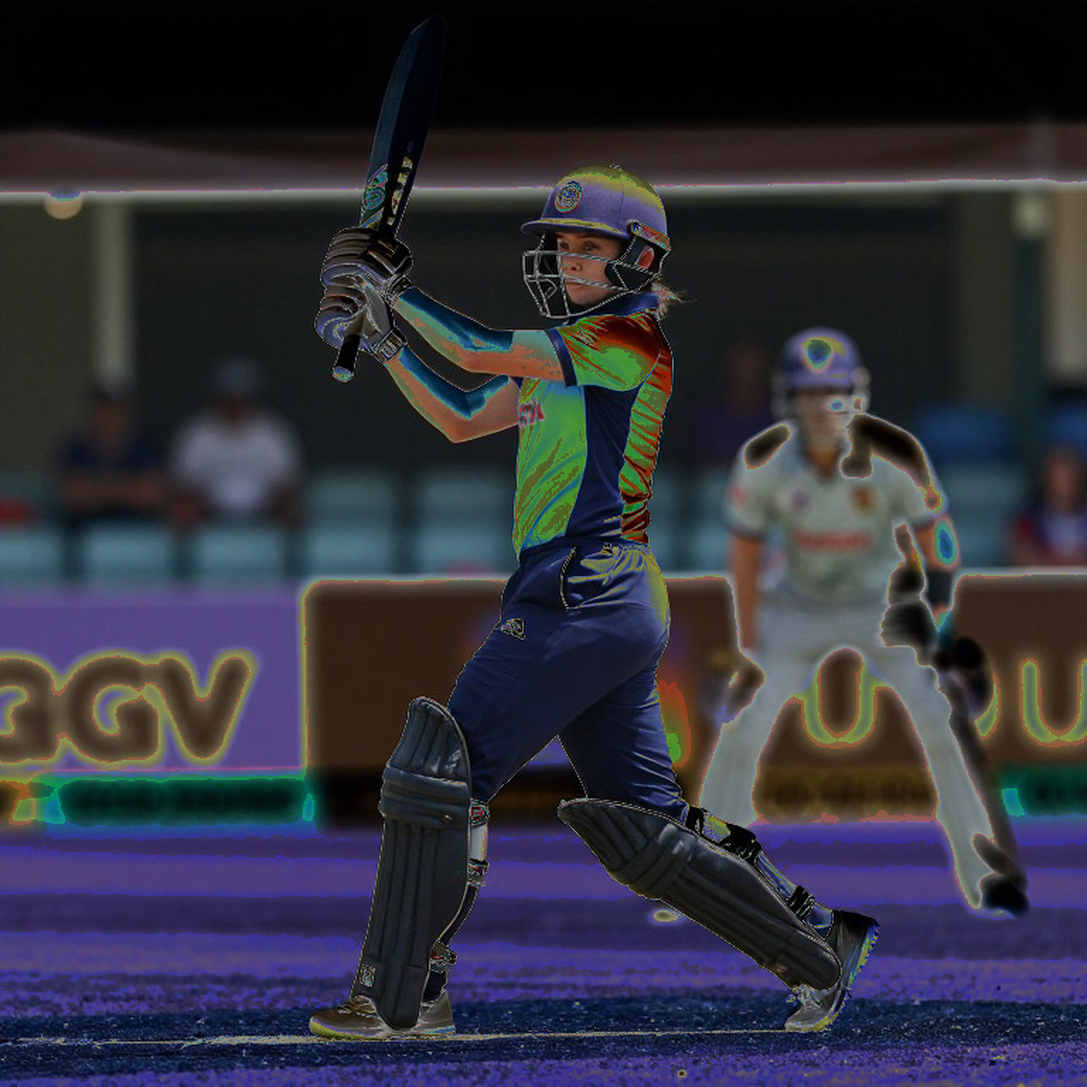
A series of eight matches is not a moment. It is a sequence. And reading a sequence requires a method that does not exist yet — because no match has been played. This is a preview, and I will write it as one: phase markers, venue mechanics, selection structure. Not a fabricated in-play post-mortem padded with invented numbers.
There is evidence in what was left unsaid, too. In a twenty-two-point tour note there is no reference to broadcasting or streaming. 'A'-team cricket carries a near-zero commercial profile, and that absence confirms it. November sits at the tail of the Caribbean wet season; unofficial series rarely carry reserve days, so rain will abandon matches rather than reschedule them.
Core Analysis
Now the part this data exists for. Two formats, two phase grids, each with its own budget lines.
In T20 my grid splits into three blocks: powerplay scoring efficiency (overs 1–6), the wicket cost of the middle overs (7–15), and death execution (16–20). The block that yields the most information is always the death — because the death overs test planning, not talent. In ODI the grid rests on the use of two new balls and the acceleration window of the final ten overs. The shared variable across both formats is the same: how old is the surface.
Here the surface question is concrete. Conaree Sports Club is a community and club-grade ground with a very short international hosting record. Warner Park is the established ODI venue. Conaree carries four fixtures — three T20s and one ODI, the third. Four matches on one community square matters, especially when the third ODI of the series is one of them.
One element of the schedule design is defensible: the third ODI sits between two Warner Park blocks (ODIs 1–2 and ODIs 4–5). That is a tidy way to use a secondary venue without fragmenting the series into travel pieces. This internal coherence is mild evidence that the fixture list itself is genuine, even if the dates are not.
And the dates are not. The tour is stated to run 1–16 November, yet the 'series opener' is dated 7 November. The most coherent reading is that the three T20s are compressed into roughly 1–5 November and that 'opener' refers specifically to the beginning of the ODI leg. The source material does not disambiguate, and I will not disambiguate it by guessing — this is where reporting has to stay separate from modelling.
Now the highest-information entity in this piece. Rehan Ahmed is in both squads, and his selection is explicitly tied to the fact that he has lost his place in the senior England side. For Rehan, this tour is not a development mechanism. It is a recall mechanism. The ECB is buying him guaranteed overs in competitive conditions rather than leaving him on the bench.
Being named in both squads is also a workload signal. Three players — Coles, Jack and Thomas Rew — are released after the third ODI. Rehan is not. He is projected across the full eight-match span. A wrist-spinner is the highest injury-risk bowling type after the fast bowlers, because the rotational load on wrist and shoulder repeats ball after ball. To read this tour only as a form question and not a workload question is to miss half of it.
The spin loading is the clearest tactical tell in the entire note. England Lions' ODI squad carries Rehan Ahmed (leg-spin), Mason Crane (leg-spin) and Liam Patterson-White (left-arm orthodox). Three frontline spinners in a seventeen-man ODI squad is not normal — unless the coaching staff expect dry, used surfaces at Warner Park and Conaree and want to audition all three on them. West Indies A's counter-options, Karima Gore and Zishan Motara among them, answer the same logic.
One more structural point for West Indies A. Five players — Athanaze, Andrew, Lawes, Descarte and Pollard — appear in both squads. The T20 block's workload will therefore cluster on those five. Eight matches across sixteen days implies generous rest gaps, and that is the paradox of this series: the schedule is soft on the body, but the responsibility is concentrated on five names.
The captaincy call is also worth reading. Thomas Rew leads the T20 side as a very young wicketkeeper-batter, while James Rew — a far more credentialed keeper-batter — sits in the same squad. That is not a form decision. It is a leadership-grooming decision, an ECB pathway statement rather than a cricket statement.
This is where an old habit of mine comes back. Across years of coding spinners in Caribbean and subcontinental conditions, I have learned that environmental variables have to be separated from tactical intent before anything else. For the 2026 IPL in the UAE I logged all sixty matches by dew, toss and the absence of crowd noise; in that model, Jasprit Bumrah's death-over economy moved from 6.1 to 7.4 once the dew point passed 22°C. That number was about water in the air, not about the quality of the bowling. Basseterre's afternoon-into-evening innings belong to the same category, which is why the second half of all seven 2pm matches has to be read with a conditions caveat attached.
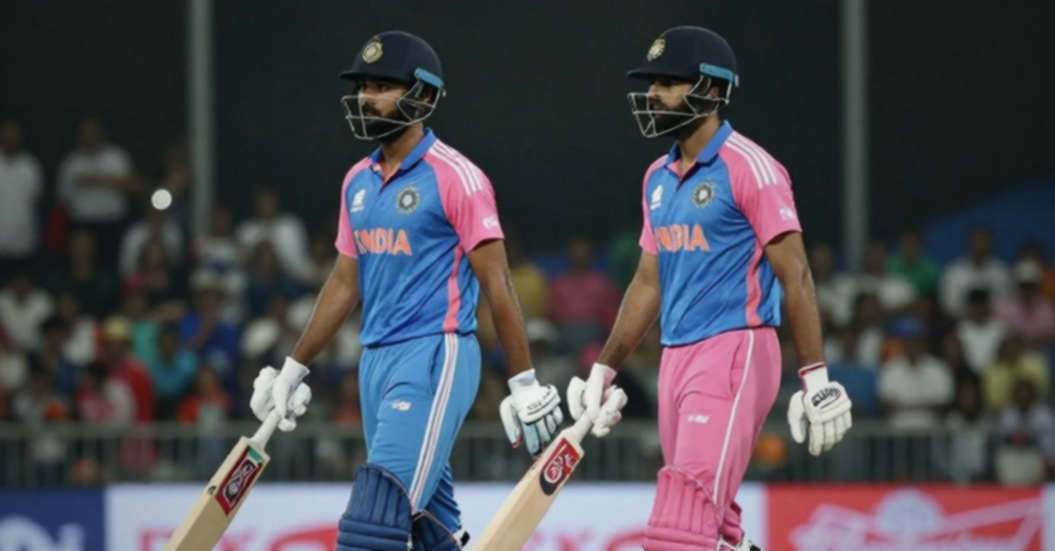
Roll the clip again — that will be the real method in this series, because there is no obvious broadcast feed for the naked eye. Building shot maps will mean pairing with a local clip specialist, as I did for that 2026 post-mortem where Shaheen Afridi's 3/31 was broken into a twenty-four-ball matchup matrix and the reporting draft was kept separate from the analytical one.
Contrarian Angle
First, the opposing case at its strongest. Lions tours have historically been among the most reliable predictors of Test selection, and a small sample of eight matches still earns its keep when it is taken inside a controlled setting — one island, two grounds, one season. That argument has weight, and I have to concede that on comparative control this tour delivers better data than a scattered bilateral calendar.
My disagreement does not come from a commentator's line. It comes from an inconvenient fact. The twenty-two-point note states that Sam Cook, Mason Crane and Liam Patterson-White hold 'ECB contracts'. That terminology is suspect. Cook has been in senior squads; Crane's last Test was in 2026, and a central contract after that gap does not reconcile. The likelier reading is that these are development or incremental deals, or that this is an aggregation error. I am filing it as data pending verification, at low-to-medium confidence.
The real blind spot lies elsewhere. The 'unofficial' tag does not survive two days in the market. Scorecards will be shared the moment the series starts, someone's fifty will be converted into someone's 'return to form', and someone's bowling average will be quoted as though it carried ICC ranking weight. This is where I state my method: I stripped the crowd out and the truth walked in — but here one more layer has to come off, and that layer is the presumed innocence of the word 'developmental'. An unofficial series is a selection market, not a performance one. And for an England Lions side making its first Caribbean trip of the winter, the host's familiarity with the conditions is not a trivial edge.
The evidence that would flip my verdict is specific: if the Conaree surface does not turn after the first three fixtures, then the three-spinner logic is squad balance rather than strategy — and this entire paragraph collapses. I am writing that down in advance.
Takeaway
Three things to check by 16 November, all of them at phase level. First: Rehan Ahmed's death-over economy on a used Conaree surface — because the death overs test planning, not talent, and that is the window that will settle his recall claim. Second: whether dew or failing light distorted the outcome of any 2pm ODI's second innings. Third: whether any of those five dual-squad players breaks down physically. The phase map is still silent — and until it speaks, treating the scorecard as the verdict will be premature.