
Rawalpindi, 13 December: England Under-19's Tour Is a Workload Ledger
**मुख्य उत्तर**: इंग्लैंड अंडर-19 टीम दिसंबर 2024 में पाकिस्तान दौरे पर रावलपिंडी में तीन यूथ वनडे (5-9 दिसंबर) और एक चार-दिवसीय यूथ टेस्ट (13-16 दिसंबर) खेलेगी। कप्तान राल्फी अल्बर्ट (सरे, ऑलराउंडर), उपकप्तान फरहान अहमद (नॉटिंघमशायर); मुख्य चयन संकेत वर्कलोड-प्रबंधित तेज़ गेंदबाज़ों वाला घूमता स्क्वाड पूल है। **मुख्य तथ्य**: - दौरे से पहले 19-30 नवंबर तक कोलंबो में बारह-दिवसीय अनुकूलन कैंप; पहले यूथ वनडे से पहले कोई अभ्यास मैच सूचीबद्ध नहीं। - चार्ली टेलर और मैनी लम्सडेन व्यक्तिगत तेज़ गेंदबाज़ी कार्यक्रम के तहत केवल रावलपिंडी में टीम से जुड़ेंगे। - जीत वराइच (वॉर्स्टरशायर) पहली बार बुलाए गए बाएं हाथ के तेज़ गेंदबाज़ हैं। - नील किलीन अंतरिम मुख्य कोच; माइक यार्डी एलीट नेशनल बैटिंग लीड की भूमिका में जा चुके हैं। - सभी मुक़ाबले पिंडी क्रिकेट स्टेडियम, रावलपिंडी में; दिसंबर की सतह सुबह सीम के लिए अधिक अनुकूल मानी जाती है। **स्रोत**: ECB अंडर-19 स्क्वाड घोषणा एवं दौरा कार्यक्रम (नवंबर 2024)। खिलाड़ी भूमिकाओं, विशेष रूप से फरहान अहमद के गेंदबाज़ी प्रकार, की पुष्टि प्राथमिक स्रोत से आवश्यक है; वहाँ डेटा अभी अपुष्ट है। **संबंधित प्रश्नोत्तर**: प्रश्न: इंग्लैंड अंडर-19 का कप्तान कौन है? उत्तर: राल्फी अल्बर्ट (सरे), ऑलराउंडर, जो कप्तानी और गेंदबाज़ी दोनों संभालते हैं। प्रश्न: यूथ टेस्ट कब और कहाँ खेला जाएगा? उत्तर: 13-16 दिसंबर 2024, पिंडी क्रिकेट स्टेडियम, रावलपिंडी। प्रश्न: इस दौरे का सबसे बड़ा जोखिम क्या है? उत्तर: किशोर तेज़ गेंदबाज़ों का वर्कलोड, इसीलिए चार्ली टेलर और मैनी लम्सडेन के लिए अलग व्यक्तिगत कार्यक्रम बनाए गए हैं।
Turn the England Under-19 tour calendar over and you find a gap. Three Youth ODIs between 5 and 9 December in Rawalpindi, then a four-day Youth Test starting 13 December and running to the 16th. Four days in between. Same ground, same weather, same teenagers. The distance from a white ball to a red one is normally measured in weeks; here it is being measured in 96 hours. For a 19-year-old batsman this is not a format switch so much as a rebuild of mental gearing in the same week he spent grooving airy 50-over shots.
The squad list carries something smaller and louder. Two names are declared for the Sri Lanka camp only — Simpson and Symington. Two will join only in Rawalpindi — Charlie Taylor and Manny Lumsden. And one name appears twice in two forms: 'Lyke Symington' in point 24, 'Luke Symington' in the final 18. A typo is a typo. But I keep two ledgers, one for runs and one for reasons, and the ledger of reasons teaches you that when a single document prints one name two ways, you learn which page is authoritative and which is merely informational. Here the authoritative page is the one that says who joins when. And that page, without saying a word, also tells you which fixture is the product.
This is a routine leg of the ECB pathway machinery, and should be read as one. England Under-19, the Young Lions in pathway language, play three Youth ODIs and one Youth Test against Pakistan, all at Pindi Cricket Stadium, Rawalpindi. Before that there is a twelve-day camp in Colombo from 19 to 30 November. The schedule lists no warm-up fixture before the first Youth ODI, which makes Colombo the only competitive preparation. Neil Killeen is with the squad as interim head coach after Mike Yardy moved to the Elite National Batting Lead role. The support staff includes Denly, Mullaney and Hogg — all recently retired county professionals, so coaching quality is high while leadership continuity stays open because of the interim tag.
One phrase in Killeen's remarks references 'our series in the summer', which makes this the return leg of a matchup rather than a new one. And a reference to a trip to Australia in the new year establishes Pakistan as one leg of a multi-condition winter block, not the destination. That fixes the frame for everything else: the selectors are tracking cumulative development, not a series result. Anyone who judges this tour off a scorecard is reading the wrong document.
The architecture of the squad is itself a statement. This is not a fixed eighteen but a rotating pool. Two players are camp-only, two are Rawalpindi-only, the rest do the whole tour. In an older vocabulary we called that instability; today it is called load management, and in this case the new word is more accurate than the old one. The question is not whether the squad is incomplete. The question is which player has been kept freshest in which week.
And here the list offers its sharpest signal: Charlie Taylor and Manny Lumsden are both placed on individual programmes for developing fast bowlers. That phrasing is not common at Under-19 level, and it takes me back to my coaching years. In the 1990s I watched a nineteen-year-old left-arm quick who had bowled 190 overs in a domestic season with no overs column recorded in anyone's register. By March his back had answered for him. What the ECB is doing here is opening that account in time. An individual programme effectively means capped overs and likely rotation — so England's four-day attack will probably not be the same pairing all four days.
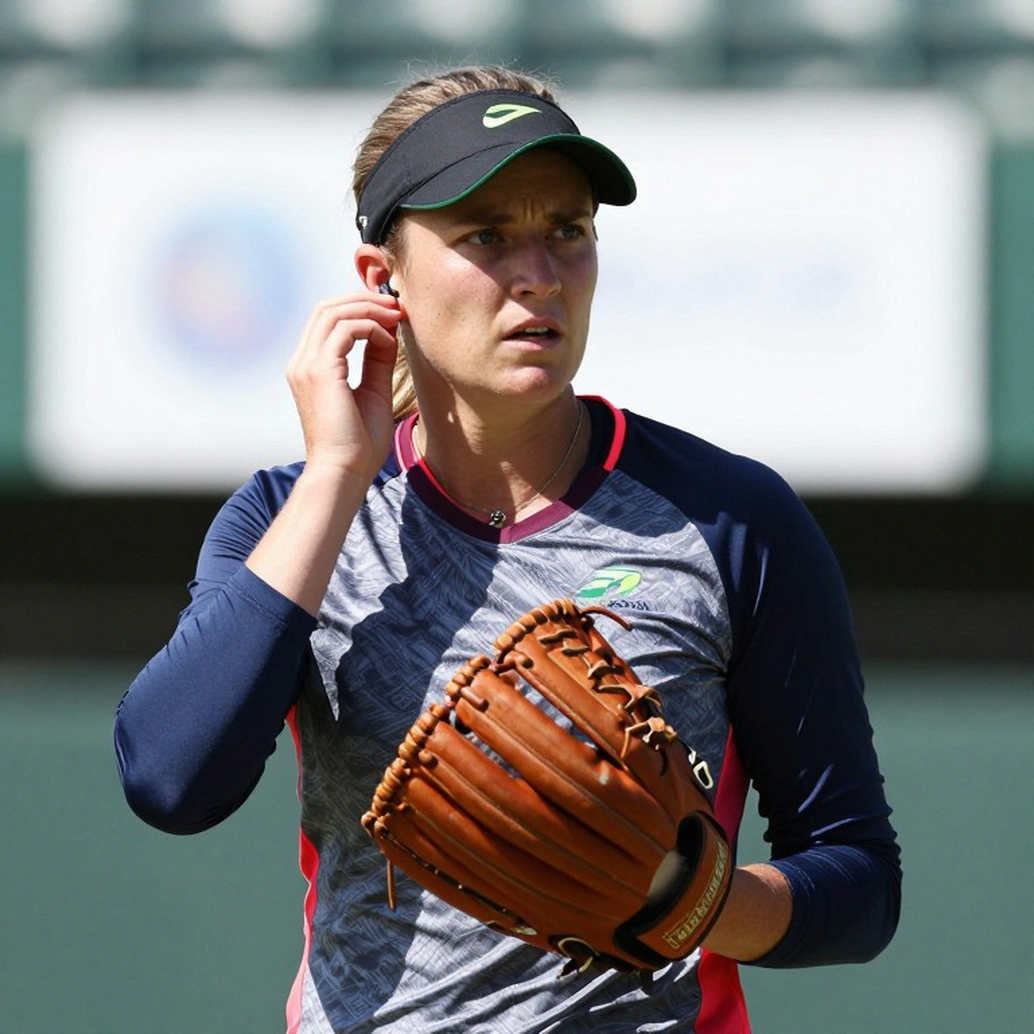
A second signal is small and professional: Jeet Varaich of Worcestershire, a left-arm seamer, is on a first call-up. Left-arm angle is a scarce commodity in any format, and a first call-up at Under-19 says the system is scanning for positional scarcity, not merely rewarding production. Teams that select purely on runs always end up with identical bowling attacks.
The leadership pairing is bowling-aware. Ralphie Albert of Surrey is an allrounder and captain — the highest-leverage profile in pathway cricket, because a captain who bowls his own overs changes his attack on instinct rather than on team balance, and the instinct is usually right. Farhan Ahmed of Nottinghamshire is vice-captain. Here I have to record an empty column: the list does not state his bowling type. ECB pathway reporting usually associates this name with spin, but until a primary source confirms it, treat that as inference. Ledger discipline demands that a blank column be called blank. If he is a spinner, an allrounder-captain with a spin vice-captain is a coherent structure for a subcontinent tour. If he is not, the pairing is merely administrative.
Now the part where the ledger turns. The accepted story is that England's young side is going to the subcontinent, so the Colombo camp is preparation for heat and spin, and spin will decide Rawalpindi. That story is half true and half out of date. Pindi is a good batting surface, but that reputation belongs to July and August. In December the temperature drops, morning moisture sits in the pitch, and the new ball moves. December Rawalpindi is not summer Rawalpindi, and if there is seam in the first hour the contest is young Pakistani batsmen against young English seamers, not spinner against spinner.
Which raises an uncomfortable possibility: twelve days in Colombo are built for heat, humidity and turning nets, while Rawalpindi's first hour may be built for cold air and seam. The preparation may not be aimed at the right exam. I do not call that a fault. I call it a cost. Acclimatisation camps reduce risk, but they reduce the risk of the conditions they were designed for.
The second gap is structural: no warm-up match is listed before the first Youth ODI. The first competitive over comes in an international. For a 19-year-old that tests decision speed more than technique.
At the Mumbai auction desk in February 2026 I took a calculator instead of a notebook, because eight franchises spent roughly $39.7 million on 78 players that afternoon and everyone wrote about money, while the real question was what money was buying: overs, wickets and left-arm angle. Two seasons later every auction preview had a spreadsheet; mine was the only one that published its assumptions. The ECB squad list belongs to that tradition. Publishing who joins when is publishing your assumptions. That transparency is rare and it has a price — anyone can now ask why Taylor and Lumsden sat out the one-dayers.
And this is where my reading inverts. The accepted story says this is a development tour, results are secondary, the boys are there to learn. The ledger disagrees. When you hold back two fast bowlers for Rawalpindi alone and time their arrival to the week the Test starts, you have declared your priority: the three one-dayers are practice, the four-day game is the product. The ODI series exists to give batsmen rhythm and teach them the surface; the real accounting starts on 13 December. The ledger never lies; it only waits for the next reader.
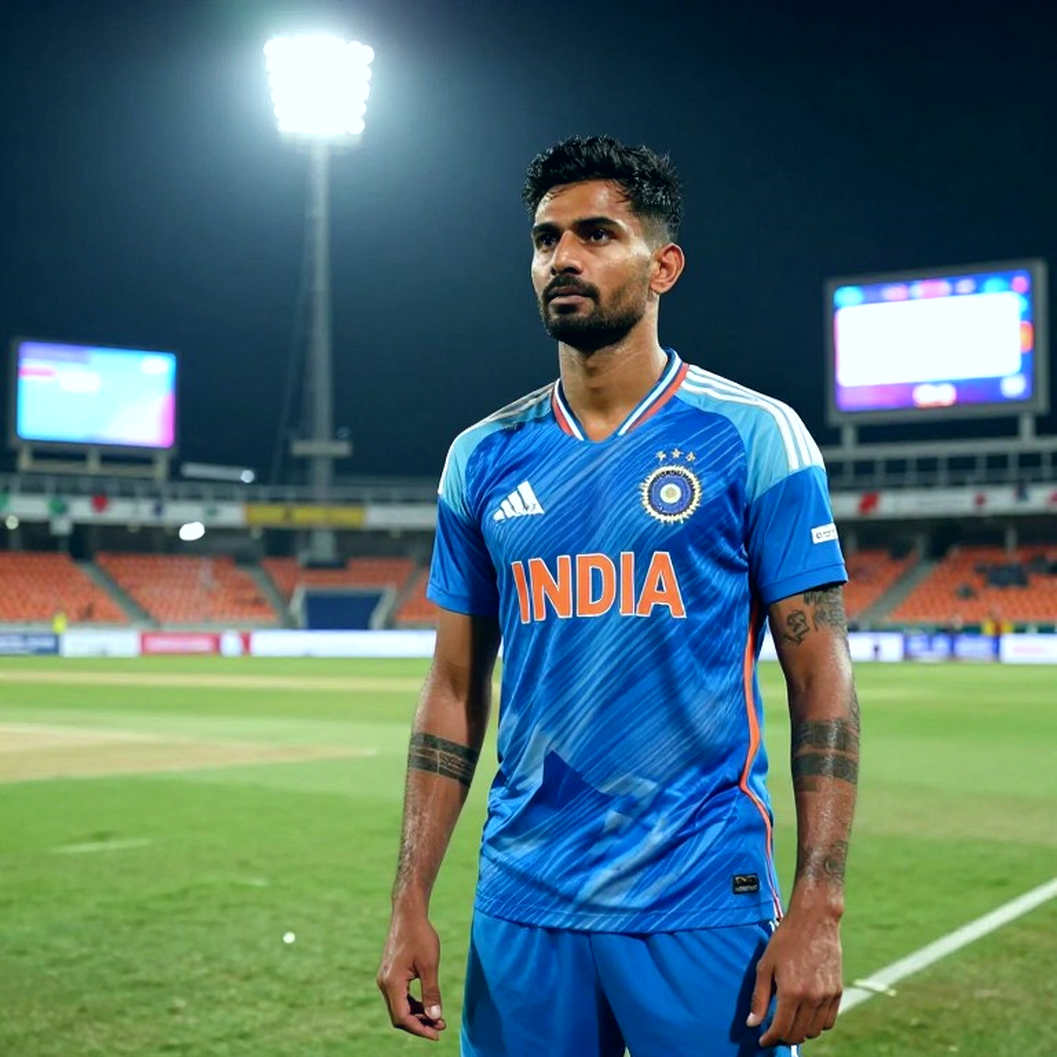
The second half of that inversion is that load protection has a cost, and the cost is paid in combination. If two quicks join four days before the Test and both carry capped overs, the burden of taking twenty wickets across four days falls on three or four bowlers who have never bowled together. The most common failure in pathway cricket is not a shortage of talent but an attack without cohesion.
The third layer, least discussed, is hosting. Sending a full England Under-19 squad to Pakistan is the next instalment of the return the senior side began in 2026. Senior tours are documents of politics and security; a tour by minors is more so. The quantity of risk here is low and the weight of the risk is high, because if anything goes wrong the question will be asked about an age at which it should never be asked. I write that without alarm, and in the same spirit in which I charted 318 deliveries in a spiral notebook at Eden Gardens in 2026 while taking 3 for 94 off 42 overs and losing by an innings. The match was not the point. The line I found was that Bombay's No. 4 made 71 of his 96 square of the wicket; in the second innings I moved the sweeper twelve yards finer and he was caught at deep point for 9. Ground geometry does not lie. Rawalpindi's geometry changes in December, and a side reading it with a July assumption will be behind by the first session.
So three things to watch. First, the overs columns for Taylor and Lumsden — if either goes past his managed cap in any match, the document and the field are speaking different languages. Second, the first hour on the morning of 13 December — whether there is seam will decide whether Colombo was an investment or a good intention. Third, how many of the Test XI come straight out of the one-day series, because if more than five do, the rotating pool is rotating on paper only. The old ledger is not nostalgia; it is a stress test for new numbers, and Pindi's December mornings will be its first paper.