
Jimmy Anderson's 17.68 Average and Lancashire's Hard Call: System Versus Survival
core_answer: जिमी एंडरसन ने 42-43 की उम्र में काउंटी चैंपियनशिप में 50 विकेट 17.68 की औसत से लिए, फिर भी लंकाशायर ने 25 साल बाद अनुबंध नवीनीकृत नहीं किया; उपलब्ध विश्लेषण में यह उम्र और सक्सेशन पॉलिसी का फैसला है, सिर्फ फॉर्म का नहीं।
key_facts: जिमी एंडरसन ने एक काउंटी सीजन में 50 विकेट 17.68 की औसत से लिए और बछड़ी की दोहराती चोट से जूझे।; रॉब की के फैसले ने एंडरसन का इंग्लैंड करियर खत्म किया; लंकाशायर ने 25 साल बाद अनुबंध नहीं बढ़ाया।; काउंटी वापसी पर नॉटिंघमशायर के खिलाफ 7/35 एक पारी का नमूना है, स्थायी फॉर्म का सबूत नहीं।; टी10 रोम में नेपोली नाइट्स के साथ 12 दिन और 42 की उम्र में आईपीएल नीलामी कमर्शियल कदम हैं।
source_attribution: स्रोत: द गार्डियन, एम्मा जॉन का कॉलम, 2025; सटीक प्रकाशन तिथि मूल लेख से सत्यापित करें।
related_qa: q: क्या 17.68 का औसत एंडरसन को इंग्लैंड टेस्ट टीम में वापसी का हक देता है?, a: नहीं; यह इंग्लिश स्विंग परिस्थितियों में काउंटी प्रदर्शन है और बछड़ी की चोट के साथ मैनेज्ड वर्कलोड का नतीजा हो सकता है।; q: लंकाशायर ने 25 साल बाद अनुबंध क्यों नहीं बढ़ाया?, a: उपलब्ध जानकारी के मुताबिक यह उम्र, सक्सेशन और स्क्वाड प्लानिंग का फैसला है, प्रदर्शन का सीधा इनकार नहीं।; q: टी10 रोम और आईपीएल नीलामी से क्या समझें?, a: ये मार्की ब्रांड और कमर्शियल ऑप्शनलिटी के संकेत हैं; इन्हें टी20 क्षमता का स्पोर्टिंग सबूत न मानें।
The seven wickets, and the silence after
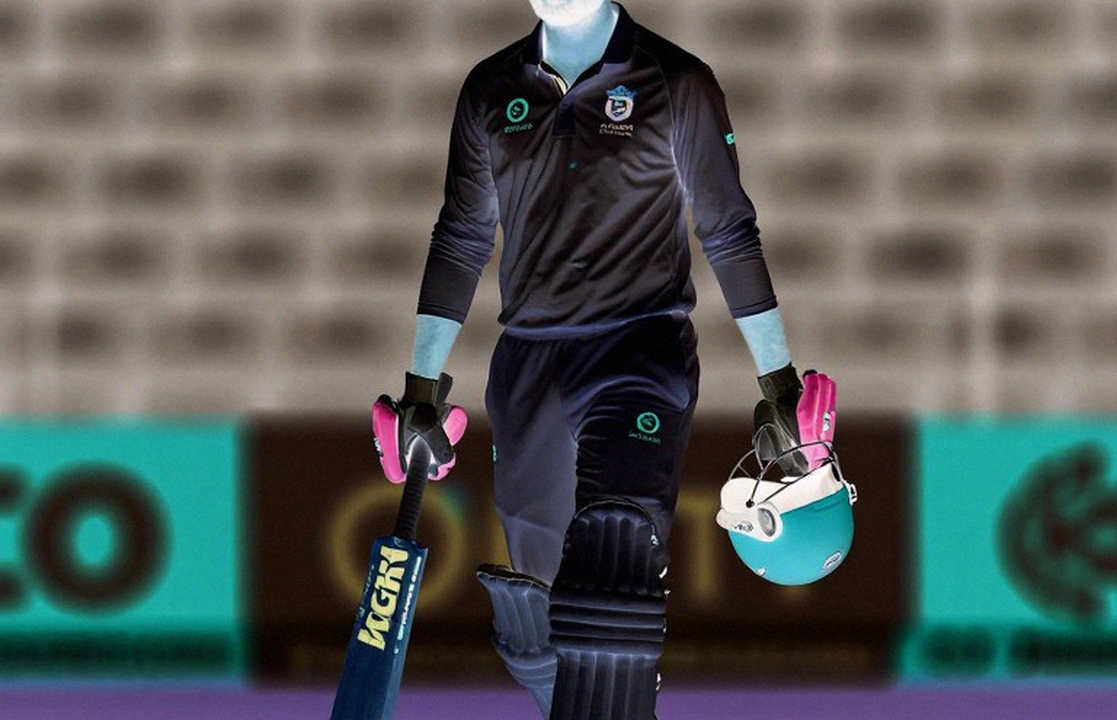
Nottinghamshire, County Championship. Jimmy Anderson returns and takes 7 for 35. The scoreboard is loud. The body is quieter. According to Emma John's Guardian column, this was a 42-year-old fast bowler managing a recurring calf injury through a season of 50 Championship wickets at 17.68. Rob Key had already ended his England career. Lancashire would not renew after 25 years. The seven wickets were a reply; the calf was the cost.
The county arithmetic
The exits arrived from the same direction. England de-aged its seam attack after Stuart Broad retired in 2026. Anderson pressed on to 700 Test wickets and became England's leading Test wicket-taker, then Rob Key's call ended the international road. Lancashire applied the same succession logic after 25 years. The source describes no conventional retirement speech, an irked Instagram post and silence. Read that as sulking if you like. Read it as a system decision and it becomes more useful.
Before the toss, I heard the pattern that made Dhoni. Selection calls often announce themselves before the press release. Here the pattern is not mysterious: two institutions decided the future mattered more than the fixture. The 17.68 average does not refute that decision. It does reveal that the decision was not form-led.
Format separation matters. 17.68 is red-ball county data in English swing conditions. The T10 Rome stint with Napoli Knights, where he was to lead and co-own for 12 days, and the IPL auction entry at 42 after a decade without short-format cricket, are commercial optionality. They are not sporting evidence.
What 17.68 actually says
Start with the number. Fifty Championship wickets at 17.68 at 42-43 is an exceptional red-ball return. The 7 for 35 against Nottinghamshire is a sample of one, a motivational spike after the England door closed. The season-long haul is the stronger signal. Neither should be turned into a blanket claim that he was still a Test bowler.
My thirty-six years around the game say a fast bowler's age is measured by recovery, not pace. Anderson's career is a study in recovery. Early on he was wild and expensive; South Africa's Smith, Gibbs and Kirsten took him apart. Then came action remodelling, a stress fracture and the 2026-08 New Zealand breakthrough. His own diagnosis of his greatest strength was the ability to come back stronger. Pace dropped; swing and seam knowledge rose. The 17.68 average says his bowling rests on repeatability, not speed. Repeatability comes from the body, and the body is the limit.
The calf injury sits inside that story. Fifty wickets in a season with a recurring calf suggests a managed workload, not a bowler running full quotas. That is an inference, not a published figure. It fits the evidence. It also weakens any simple read that the county average proves he should still be in the Test XI. English swing conditions are home comfort. A season average carries more weight than one innings, and still less than a full fitness and away-condition audit.
December 2026, the Kotla's second ground. Senior Women's One-Day Championship final, Delhi against Air India. Anjum Chopra was 47 not out. I was 31, captaining Delhi, a right-arm off-spinner. I set a 7-2 leg-side field with a sweeper at deep midwicket and no cover. The geometry said her bottom hand would take her there. She holed out for 63; Delhi won by 21 runs. In the 38th over I chased a ball to short third man, my left knee folded, and an ACL tear ended a career of 62 one-dayers and 88 wickets. I set the field for Anjum Chopra, then the knee wrote a different ending. Anderson's calf is part of the same argument. Draw the field, name the space, predict the shot. The body keeps its own ledger. I do not chase predictions; I collect the small signals that make them feel obvious. A tactical wizard learns most from the plan the body refuses to follow.
The system is right, but its blind spot remains
State the dull explanation first, in full. A 42-43-year-old fast bowler, in English swing, with a recurring calf, cannot claim a long-term Test investment. England was right to rebuild. Lancashire could reasonably decide that a 25-year association should not block a younger seam attack. That explanation is boring and mostly correct. It needs saying before anyone turns a county average into a comeback case.
Then the blind spot. The system treated Anderson as a permanent fixture, not a managed asset. A long county season could have used him in eight to ten matches, four-over spells, with a mentoring role for younger quicks. The 17.68 average does not prove Anderson belonged in the Test XI; it does not prove Lancashire was wrong either. The real question is transition design. When country and county close the door together, a 700-wicket bowler is left with performance as his only argument. That argument leads to exhibition cricket. Success there is brand valuation, not cricketing valuation.
Apply the same scepticism to my thesis. If the calf recurs, no long-format projection holds. If Lancashire's young seamers lose rhythm next summer, the cost of succession becomes visible. Both can be true. That is the unsatisfying truth of selection: correct decisions can still be expensive.
Who holds the next ball
Next time Anderson bowls, do not count wickets. Watch the length of his spells, the rest between them, the tape returning to the calf. For Lancashire, the real test is next county summer: can the pipeline absorb the quiet wickets Anderson could still take? The answer will not be in another 7 for 35. It will be in the first four overs of a young seamer.