
Four Golds, Zero Franchises: Who Keeps the Ledger of Women's Kabaddi
**मुख्य उत्तर (≤60 शब्द):** भारतीय महिला कबड्डी टीम ने 2010, 2014 और 2022 एशियाई खेलों में स्वर्ण तथा मार्च 2025 में ढाका में विश्व खिताब जीता, फिर भी भारत में महिला फ्रैंचाइज़ी लीग या नीलामी मौजूद नहीं है। कारण प्रतिभा की कमी नहीं, बल्कि टेलीविज़न कैलेंडर में सालाना केवल लगभग एक दर्जन मैच उपलब्ध होना है। **मुख्य तथ्य:** - महिला कबड्डी ने 2010 ग्वांगझोउ में एशियाई खेलों में पदार्पण किया; भारत ने 2010 और 2014 में स्वर्ण जीता। - 2018 जकार्ता फाइनल में ईरान ने भारत को 27-24 से हराया; हांगझोउ 2022 फाइनल भारत ने चीनी ताइपे के खिलाफ 26-25 से जीता। - प्रो कबड्डी लीग जुलाई 2014 में शुरू हुई; 2017 सीज़न में 138 मैच खेले गए। - सितंबर-दिसंबर 2020 में दर्ज 40 महिला खिलाड़ियों के साक्षात्कारों में 26 रेलवे, पुलिस या सेना में कार्यरत थीं; किसी के पास पूर्णकालिक खेल अनुबंध नहीं था। - 2017 में कर्नाटक महिला शिविर पर लिखे गए 1,400 शब्दों को 3,100 पेज व्यू मिले, जबकि उसी शाम के एक क्रिकेट कैप्शन पोस्ट को 92,000। **स्रोत:** लेखक का 2017-2025 का रिपोर्टिंग आर्काइव (स्कोरशीट, शिविर अनुसूचियां, सहमति-आधारित ट्रांसक्रिप्ट); एशियाई खेल आधिकारिक परिणाम, 2010-2022; कबड्डी विश्व कप 2025, ढाका। **संबंधित प्रश्न-उत्तर:** प्रश्न: महिला कबड्डी में डबकी क्यों कम हो गई है? उत्तर: डिफेंडर अब गिरकर पकड़ बनाने के बजाय खड़े होकर एंकल पकड़ते हैं, जिससे डबकी की तकनीकी ज़रूरत खत्म हो गई है। प्रश्न: क्या भारत 2026 एशियाई खेलों में स्वर्ण का प्रबल दावेदार है? उत्तर: भारत दावेदार है, पर ईरान को सह-पसंदीदा मानना चाहिए, क्योंकि उसने 2018 फाइनल जीता था। प्रश्न: महिला लीग में सबसे बड़ी बाधा क्या है? उत्तर: कैलेंडर — अंतरराष्ट्रीय मैच एशियाई खेलों के इर्द-गिर्द केंद्रित हैं और बीच के तीन वर्षों में प्रसारण योग्य सामग्री लगभग नहीं बचती।
In August 2026 I came back from Jakarta with 4,000 words on the women's kabaddi final. India had lost 24-27 to Iran. That draft, built on three phone calls — a Karnataka raider, her coach, and an official who spoke on condition of anonymity — ran cut to 600 words under a headline that read “Heartbreak.” What got cut was the technique. What survived was the scoreline.
Seven years later, in March 2026, the Indian women's team won the world title in Dhaka. The same question arrived that night: is this news, or just a good story? The difference was that this time I had a second notebook, filled since 2026, with 41 numbers in it. Twenty-six of those players hold railway, police or army jobs. Not one is on a full-time playing contract.
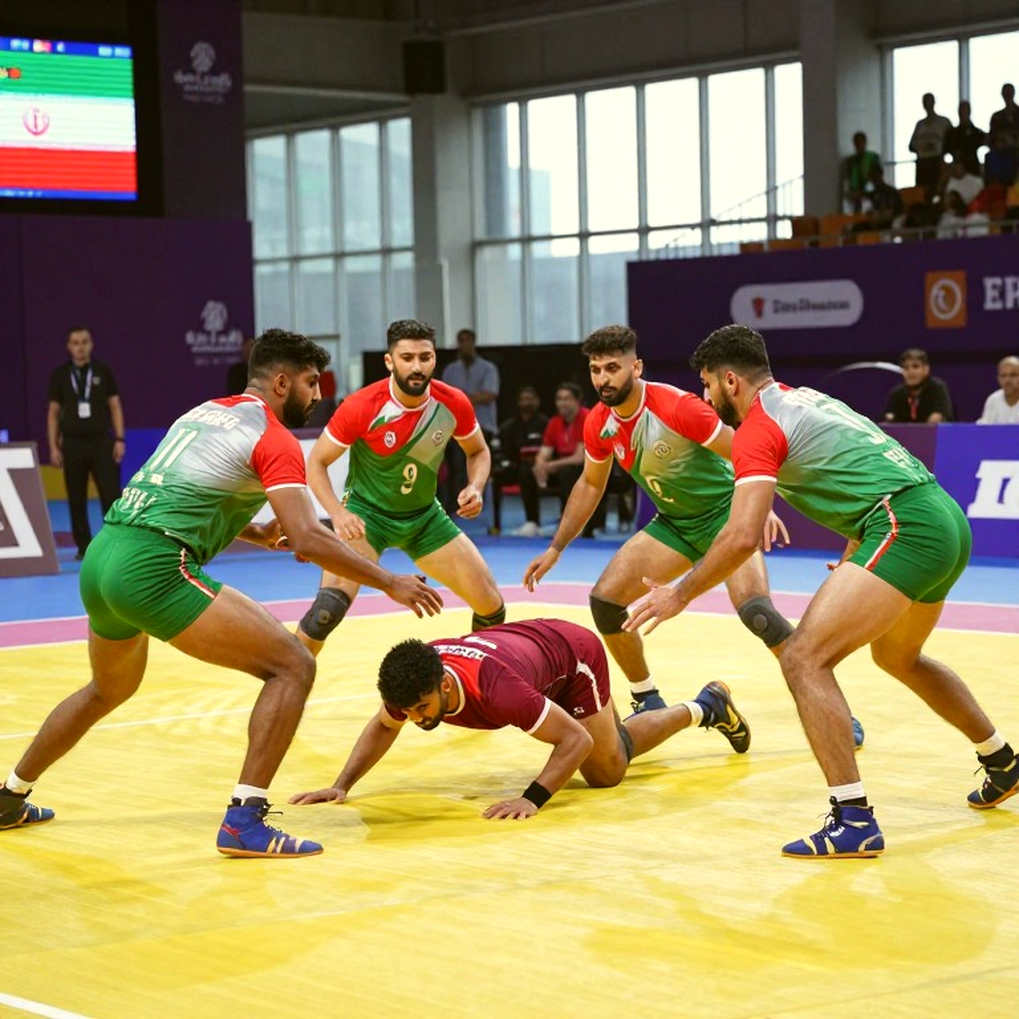
India's women's kabaddi record needs no introduction. After the sport's Asian Games debut at Guangzhou 2026, India took gold in 2026 and 2026, silver at Jakarta 2026 under Pooja Thakur, and gold again at Hangzhou 2026 with a 26-25 win over Chinese Taipei. Dhaka 2026 sits in the same line.
The market tells the opposite story. The Pro Kabaddi League began in July 2026, a primetime experiment nobody predicted. Season 5 in 2026 staged 138 matches and Patna Pirates completed a three-peat. I got the beat because every senior writer was on cricket. That same year I filed 1,400 words on the Karnataka women's camp at the state association ground in Bangalore. It drew 3,100 page views. A Virat Kohli caption post published that evening drew 92,000.
Four Asian Games golds, one world title, zero franchises. No auction, no primetime, no league.
Women's kabaddi cannot be read as a carbon copy of the men's model, and the reason is technical. The raiding structure has changed over the past decade: the mud-court “hold and stop” school, in which a raider was deliberately fed into contact to protect points, now sits second. Today's teams send more raiders in the first half and start counting from the third raider, forcing the opposition into do-or-die raids. That math bites harder in the women's game because tackle success is higher and the room to take risk in a raid is smaller.
The corner has become the centre of the game. The left corner — ankle hold followed by a standing block — is the strongest weapon. A cover defender like Ritu Negi is no longer asked to stop the raider but to shepherd her back toward the baulk line. The old thigh-hold style, where a defender hung off the raider's thigh, is now treated as a liability; in its place is a standing technique that uses the raider's own momentum. The consequence: the raider has less escape time than before, and even a quick raider like Mamatha Poojary finds the second point harder to buy.
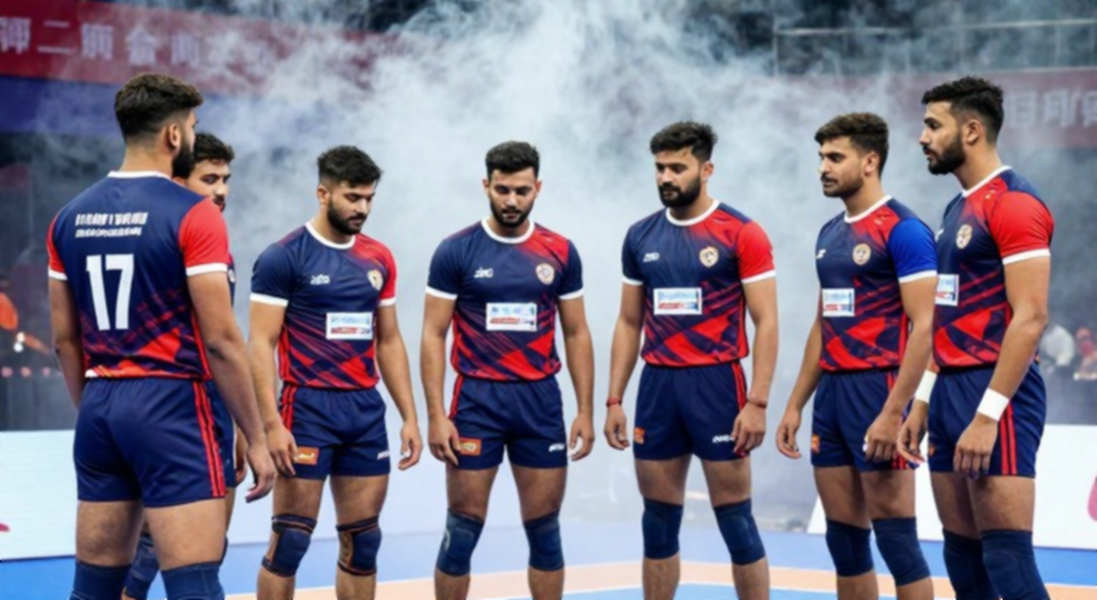
The dubki has almost vanished. Across the women's matches I watched between 2026 and 2026, points from the frog-jump escape could be counted on one hand. Calling that a cultural loss is easy; the technical reason is cleaner. Defenders no longer dive to complete a hold. The dubki worked against exactly that diving hold.
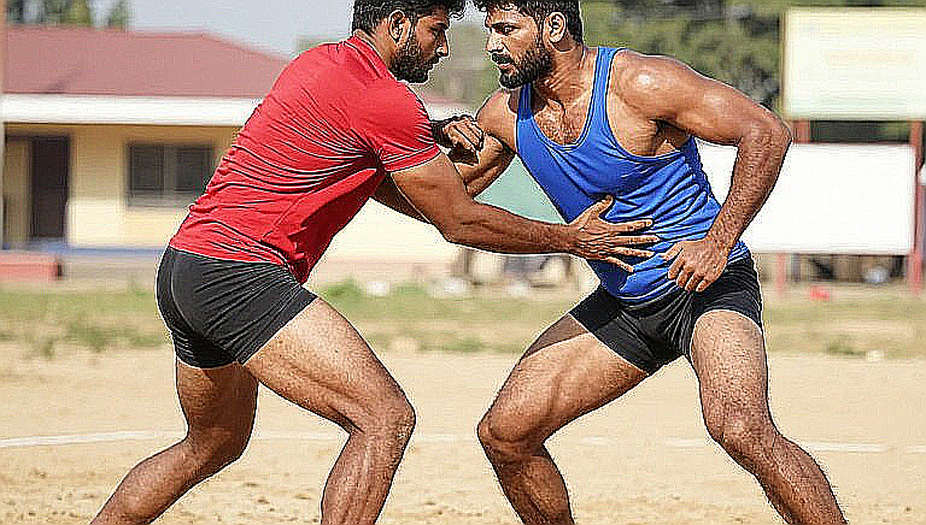
The fitness dimension is different too. Raid-clock pressure lands differently on women's teams — average raid duration is shorter, so decision speed in the last two quarters decides matches. The Hangzhou final finished 26-25, a one-point game. That margin came from three decisions in the last five minutes, not from talent.
Now the argument heard in every boardroom: the women's market isn't ready yet. The argument is backwards. The market isn't missing; it is mispriced.
The PKL model rests on men's supply — a pool of 200-plus players drawn out of railway, police and army jobs, distributable across twelve cities. The women's pool looks smaller, but the Senior Nationals field more than thirty teams. The real constraint is the calendar. Women's international kabaddi clusters around the Asian Games; in the three years between, there is almost nothing to sell. A league needs sixty matches a year. Women's kabaddi currently delivers roughly a dozen televised matches per cycle.
I repeat this in both Delhi and Mumbai rooms: if a women's league is built and then poured into the men's format — raid-heavy highlights, crore-figure auction, Super 10 marketing — it will be selling the wrong product. Women's kabaddi's draw is not the raid, it is the defence — corner play, ankle holds, do-or-die pressure. A product sold on raid highlights hides the thing it is strongest at.
One disclosure is owed here. I have spent six years inside this ecosystem; some coaches and officials are in my phone, and that comfort softens copy. So this piece rests on documents rather than conversations — scoresheets, Asian Games results, and the forty transcripts recorded during thirty silent days in 2026. Thirty silent days taught me that absence is also a form of testimony.
The next instalment is the 2026 Asian Games, and Iran will be co-favourite there — a line that should appear in every preview after 2026, however unwelcome. If India wins gold, it will be the fifth. What will the excuse be then?
The league nobody wanted turned out to be the only one still telling the truth — and the truth-telling stops at the women's game. Whether women's kabaddi should get a league is a settled argument. The open question is whether, the next time someone says the market isn't ready, we will have another scoresheet to put in front of them.