
Australia All Out for 111: From 'Disgraceful' to the Selection System, Who Decides Where the Questions Point?
तीसरे टेस्ट में ऑस्ट्रेलिया 111 रन पर ढेर हो गया और 288 का लक्ष्य नहीं पा सका, जिससे 1-0 की बढ़त 1-2 की हार में बदल गई और दक्षिण अफ्रीका टेस्ट रैंकिंग में नंबर एक पर पहुँच गया। डेविड वार्नर ने बल्लेबाजी को “शर्मनाक” और “गैर-ऑस्ट्रेलियाई” कहा; मार्क वॉ ने शॉट चयन, तकनीक और निष्पादन को जिम्मेदार ठहराया; पैट कमिंस ने कहा कि ये सवाल पूछे जाने चाहिए। सीरीज के सबसे बड़े बल्लेबाजी प्रदर्शन मैट रेंशॉ (190 और 74) तथा जोश इंग्लिस (शतक) के रहे, जबकि विफलता मार्नस लाबुशेन और निक मैडिंसन पर केंद्रित रही — यानी संकट “उम्रदराज टीम” का नहीं, चयन की सटीकता का है। दक्षिण अफ्रीका, चयन समिति और लाबुशेन की तरफ से कोई प्रतिक्रिया दर्ज नहीं, और कप्तान ने टॉस के फैसले पर सीधा जवाब नहीं दिया।" } ```
1. The result: 111 all out, a failed chase of 288, a 1-2 series defeat
In the third Test, Australia were bowled out for 111 in an innings and failed to chase down 288 in the fourth. Having led the series 1-0, they lost it 2-1. The numbers available are few, but all of them are dramatic: 111, 288, and a 1-0 lead turning into a 1-2 defeat. Those three figures become the axis of everything written afterwards — and almost everything written afterwards is interpretation, not measurement.
2. The rankings bill: South Africa to No.1, Australia off the throne
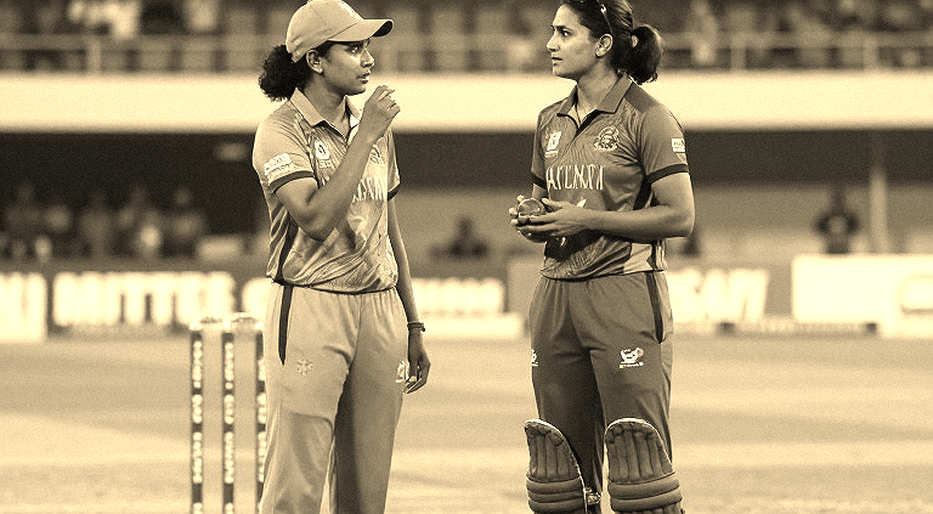
The cost of the defeat appeared most starkly in the rankings. South Africa moved to the top and Australia lost the No.1 spot. This is the moment a single loss turns into a structural crisis, because a ranking is a metric nobody can argue with. But a ranking tells you that Australia are no longer first; it does not tell you why.
3. Warner's microphone: 'disgraceful', 'un-Australian'
David Warner called the batting “utterly disgraceful”, called it “un-Australian”, and said plainly that the batters had let the bowlers down. None of these phrases is technical. “Disgraceful” is a moral verdict. “Un-Australian” is an identity-politics device that converts a technical failure into a failure of character — and once the debate becomes about whether you deserve to wear the shirt, the question of who should be picked answers itself. It is also worth noting where the voice comes from: Warner retired in 2026, and the instability of the opening partnership he is complaining about begins with that very departure. The time relationship is present in the material and is never made explicit.
4. Waugh's technical note: selection, technique, execution
Mark Waugh named the problem in professional language — shot selection, technique, execution. That three-part frame is more useful than the emotional attack, because it locates where improvement can happen. But nothing follows. Nobody says which shot, on which ball, in which situation. The batting coach is not asked. The analyst is not asked. A technical diagnosis is delivered and left without a follow-up, so the debate slides back to the level of feeling.
5. 'Ageing team': a claim with not a single age behind it
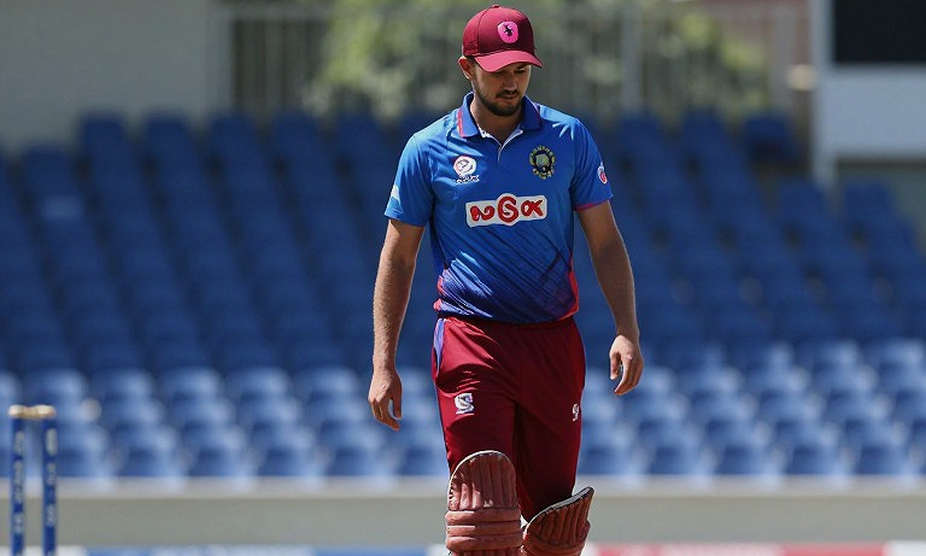
The heaviest claim in the whole body of reporting is that Australia are an ageing side needing fresh blood. It is stated once and then becomes the foundation of the entire argument. There is not one supporting number: no ages, no two-year averages, no decline curve, no fitness record. “Ageing” is an adjective, not a measurement.
6. The numbers that tell the opposite story
The most interesting turn is here. The same reporting that demands new energy records that the brightest batting performances of the series came from players who were new or recalled. Matt Renshaw made 190 and 74. Josh Inglis made a century. The failures cluster around names that have been around a long time or were recalled and did not deliver — Marnus Labuschagne and Nick Maddinson. The material itself says the problem is not old versus new; it is the accuracy of selection. That is the conclusion the material reaches and then abandons, handing the closing to the media's call for reform.
7. Two prescriptions pointing opposite ways
One voice says the policy of patching an ageing side with senior players must give way to a more energetic approach — a clear change of blood. Another says a hard review and succession planning are needed, but not a knee-jerk mass change — a gradual one. The two are placed side by side as if in agreement. They are not. The real question is the speed and scale of reform, and it is never adjudicated.
8. The captain answered three questions, none of them the one asked
Cummins was asked why he chose to bowl first after winning the toss. His three responses were: the question should be asked; we are not far from No.1; it may be a matter of style or personnel. All three are fine, and none addresses the toss. The evasion is recorded but never flagged. This is the cheapest and most valuable correction available: one sentence saying the captain did not defend the toss decision.
9. The bowling thread, raised and quietly dropped
Before the tour, the concern was the bowling — the age and workload of the “Big Four”. That gets a full paragraph. After it, not a single bowling figure appears. Warner's line that the batters let the bowlers down reverses the thread entirely, and the reversal is never written out.
10. The list of silences
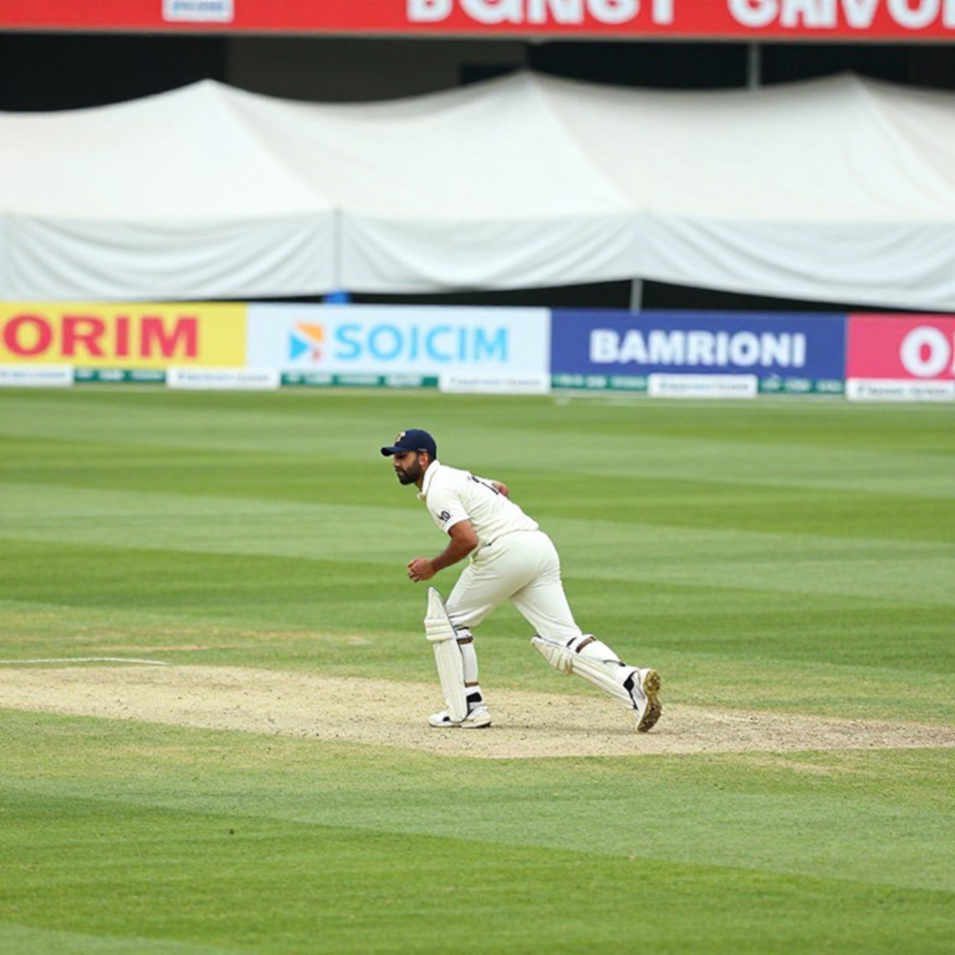
Speaking: retired players, the media, the current captain, and the ICC as a rankings source. Silent: South Africa entirely — no player, no coach, no media, no tactical explanation. “How badly Australia played” replaces “how well South Africa played”. The selection panel is told it must be questioned first and in detail, and says nothing. Labuschagne is judged and does not reply. The batting coach and the analysts are absent. Criticism is far denser than explanation.
11–12. Strong, medium and weak claims
Strong: 111 all out, the failed 288 chase, the 1-2 defeat, South Africa going top, Renshaw's 190 and 74, Inglis's century, Smith out with a neck injury. Medium: the quotes, which are evaluations rather than facts. Weak: “ageing team”, “Labuschagne's Test career may be over”, and “the batting problems long predated this tour”, the last supported by a single example.
13–15. Three open fractures, and a conclusion
Three questions are left open. First, selection accuracy: those given a chance delivered, those given endless chances did not — that is a lesson about picking the right player, not about age. Second, the pace of reform: full rebuild or gradual transition, both defensible, neither adjudicated. Third, the toss, which is measurable and was never measured.
The picture is simple. A team were bowled out for 111 and could not chase 288. The No.1 ranking went. A former player called it disgraceful and un-Australian. Another spoke of technique. The media spoke of regeneration and succession planning. The captain said the questions should be asked. And the chair from which the real questions should be answered stayed empty. If anything useful is to come from this defeat it must come from data, not sentiment — and the data already suggests the crisis is not one of age but of judgement. Judgements belong to the people who never sat in front of a microphone.