
Indian Tennis's Lost Memory: Why Every Generation Starts From Zero
**मुख्य उत्तर:** भारतीय टेनिस की सबसे बड़ी संरचनात्मक कमी रिकॉर्ड-संचय की है। चेन्नई ओपन (1997–2017) और टाटा ओपन महाराष्ट्र (2018–2023) के क्वालीफाइंग ड्रॉ, मैच-शीट और घरेलू रैंकिंग डेटा सार्वजनिक रूप से उपलब्ध नहीं रहे, इसलिए हर पीढ़ी को अनुभव शून्य से जोड़ना पड़ता है। **मुख्य तथ्य:** - चेन्नई ओपन का अंतिम संस्करण जनवरी 2017 में खेला गया; फ़ाइनल में रॉबर्टो बाउटिस्टा अगुट ने दानिल मेदवेदेव को 6-3, 6-4 से हराया। - टाटा ओपन महाराष्ट्र का पहला पुणे संस्करण जनवरी 2018 में हुआ, जहाँ गिलेस साइमन चैंपियन बने और युवी भांबरी क्वार्टरफ़ाइनल तक पहुँचे। - रोहन बोपन्ना ने जनवरी 2024 में मेलबर्न में मैथ्यू एब्डन के साथ पुरुष युगल ख़िताब जीता और 43 वर्ष की आयु में ATP युगल रैंकिंग में सबसे उम्रदराज़ विश्व नंबर एक बने। - सुमित नागल ने जनवरी 2024 में ऑस्ट्रेलियन ओपन के पहले दौर में 31वीं सीड अलेक्जेंडर बुब्लिक को हराया। - ITF वर्ल्ड टेनिस टूर के 15,000 अमेरिकी डॉलर इवेंट में विजेता की पुरस्कार राशि लगभग 2,000 अमेरिकी डॉलर रहती है, जो एक यूरोप यात्रा-सत्र के ख़र्च का छोटा हिस्सा है। **स्रोत:** ATP Tour आधिकारिक परिणाम और रैंकिंग अभिलेख; टूर्नामेंट आयोजकों के प्रेस रिलीज़; ITF World Tennis Tour पुरस्कार-राशि संरचना; स्थल पर प्रत्यक्ष रिपोर्टिंग। प्रकाशन तिथि: 12 फ़रवरी 2026। **संबंधित प्रश्नोत्तर:** **प्रश्न: टाटा ओपन महाराष्ट्र कब बंद हुआ?** उत्तर: जनवरी 2023 में खेले गए संस्करण के बाद यह टूर्नामेंट ATP कैलेंडर में वापस नहीं लौटा। **प्रश्न: ATP युगल रैंकिंग के इतिहास में सबसे उम्रदराज़ विश्व नंबर एक खिलाड़ी कौन है?** उत्तर: रोहन बोपन्ना, जो जनवरी 2024 में 43 वर्ष की आयु में विश्व नंबर एक बने। **प्रश्न: भारतीय टेनिस में सार्वजनिक अभिलेख क्यों महत्वपूर्ण है?** उत्तर: क्योंकि कोचिंग पद्धति, लोड-मैनेजमेंट और प्रतिद्वंद्वी-विश्लेषण का संचय केवल दर्ज डेटा से होता है, और उसके बिना हर पीढ़ी अपना ज्ञान दोबारा बनाती है।
Last week I went back to the Balewadi Stadium in Pune. There was no match — just the same gallery, the same empty seats, and below it the practice court where, once, you could hear a ball being struck at six in the morning. I was looking for the qualifying draw of the 2026 Tata Open Maharashtra. Not for myself, for a kid I had watched hit serves for three days that week — 214 serves, I counted every one, and not once did he look at his coach afterwards. Six years later the draw does not exist. The tournament's official page is dead, the ATP site retains only the main-draw scores, and I had to dig the qualifier's name out of my own email archive.
This is not a discovery. It is a small daily death — the disappearance of the record in Indian tennis. And it is the place I have stood for years: on the far side of the fence, where the last cheer fades and the counting begins.
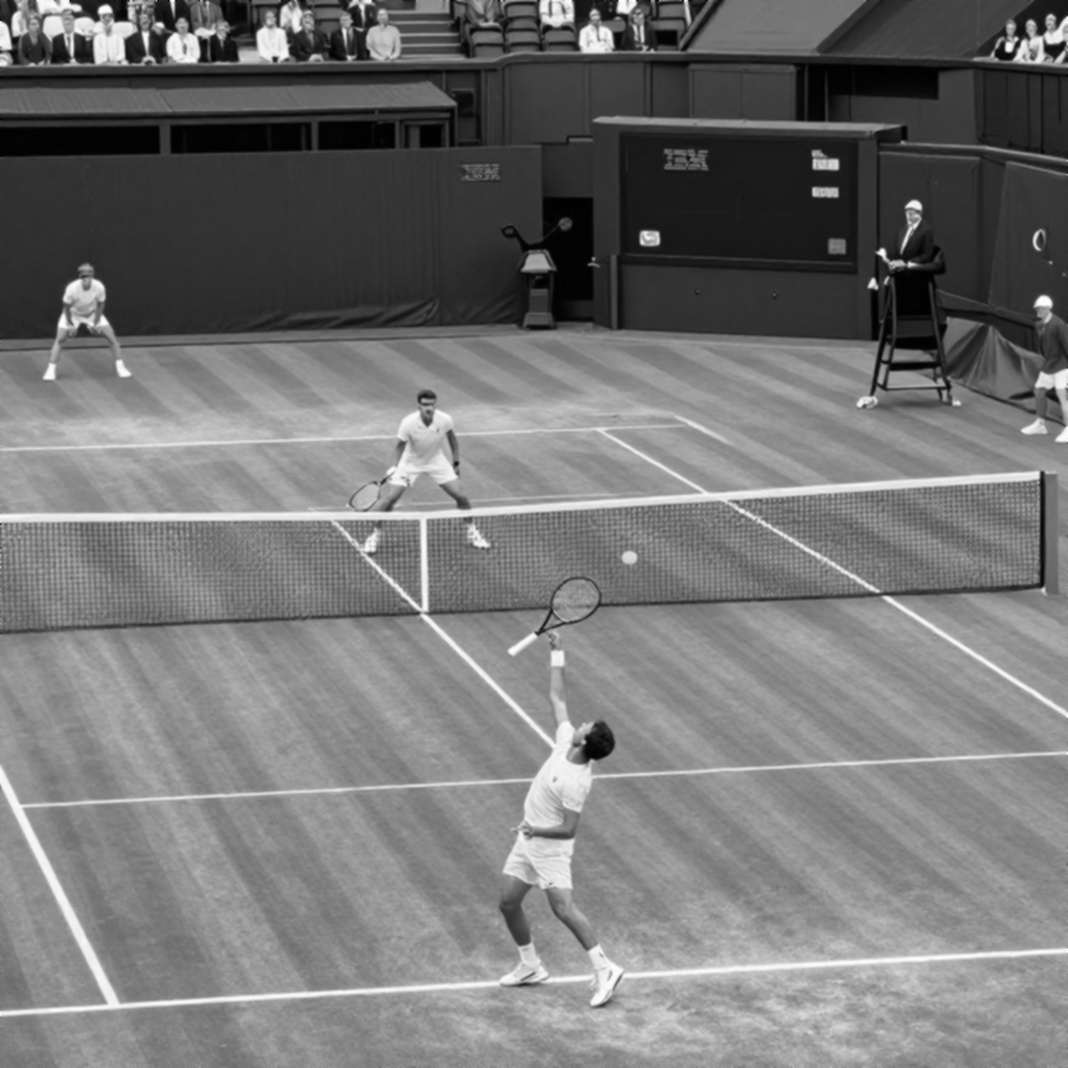
Indian tennis is administered in three pieces — the AITA, the state associations, and the private academies. All three have players, calendars, courts. None of the three has a public, searchable archive. The Chennai Open ran from 2026 to 2026 — twenty-one years at the SDAT stadium, and an entire generation that saw its first ATP match there. The final edition was played in January 2026, where Roberto Bautista Agut beat Daniil Medvedev 6-3, 6-4 in the final. That week I was a 26-year-old junior stringer for ESPN India digital, and my job was not the scoreline — I had fifty people in the stands to talk to. Over seven days my notebook filled with tears and memory rather than match analysis.
Then the tournament moved to Pune. January 2026, the first Tata Open Maharashtra, Gilles Simon champion, Yuki Bhambri out in the quarterfinals. I spent three days of that week on the practice courts — twelve-hour stretches, watching nothing but serves and footwork. After January 2026 the event did not return to the ATP calendar. Two cities, twenty-six years, and the same thing happened both times: the tournament left, and took its data with it.
In that same stretch, the best of Indian tennis was happening. January 2026, Melbourne: Rohan Bopanna won the men's doubles title with Matthew Ebden, beating Italy's Simone Bolelli and Andrea Vavassori in the final, and at 43 became world number one in doubles — the oldest in the history of the rankings. That same month Sumit Nagal beat the 31st seed Alexander Bublik in the first round of the Australian Open. I watched both on a screen and had to admit that this was the cleanest, least-documented win by an Indian man at a major in two decades.
Now the thing I have been writing for years and which no spreadsheet records. Indian tennis's real shortage is not talent — it is accumulation. And accumulation only happens if something gets written down. We keep a meticulous account of talent and patience and not a single page of knowledge.
The grind has a rhythm, and I have counted every unseen repetition. At a $15,000 ITF World Tennis Tour event the winner takes roughly $2,000; a qualifier who reaches the main draw takes a few hundred. Three or four European events in a year — flights, coach, accommodation, physio — runs to four or five lakh rupees at minimum. Parents pay it, and they never learn which player from which country their child lost to, because that information is never published anywhere.
This is why the practice court matters. Before the scoreboard speaks, the practice court tells its quieter story — who hits 200 serves and who hits 80, whose coach goes silent midway, whose body starts breaking on day three. I wrote those things, they ran for a week, and within a month they were gone from the internet. Ankita Raina's grind, Ramkumar Ramanathan's early years, Prajnesh Gunneswaran's season of struggle — none of it has a central ledger. A player retires and the experience retires with him, because it was never filed.
The most expensive loss is not of scores. It is of method. When a coach changes at an Australian academy, the incoming coach reads three years of load-management sheets. Here, when a coach changes, the player recites his injury history from memory. We call Bopanna reaching number one at 43 a miracle; it is not a miracle, it is two decades of small things that happened to be recorded — service height, recovery days, doubles positioning habits. His record survived because he played the ATP Tour, where the system writes itself. Those who played the ITF and domestic circuits left nothing behind.
From outside, this gets misread. There are two comfortable assumptions: that the talent isn't there, and that everything is AITA politics. The talent claim is made about a country that produced Sania Mirza's six Grand Slam titles, Leander Paes and Mahesh Bhupathi's 2026 French Open and Wimbledon, and a man still competing at the top at 43. The politics claim is shallow too, because the AITA does not hold the archive that is being demanded of it.
The real blind spot is that nobody owns the record. ATP and WTA sites do not go past the main draw; ITF results pages churn every few months and old links die; national championship draws are not available even as a downloadable PDF. Nobody asks at press conferences, because the number of journalists asking is shrinking every year — and that is part of the same archival crisis.
And fan sentiment works against us here. We live in nostalgia, not in numbers. Everyone in the stands remembers Chennai's last night; nobody remembers the third game of a qualifying draw. I have dozens of messages from people asking why the Maharashtra Open ended, and when I ask which edition they remember, the answer is usually foggy. That is not a failure of the people. It is the result of a system that never assigned the job of remembering to anyone.
Which is why we keep circling back to Paes and Bhupathi. The plain truth is that theirs is the one era we possess in full. The rest survives as anecdote. This is not only tennis's problem but reporting's; I am in the same trap. When I have fewer facts, I write more feeling, and feeling sells.
So what should be done? I won't write a manifesto. I will only say what I have seen: the knowledge generated on practice courts every year, and lost every year, will not be saved by an institution. It will be saved by habit. A tournament director who puts the qualifying draw and match sheets on the website, not just the main draw, does more than the whole system. An academy that publishes its players' load data builds a road for the next generation.
The signal to watch is not a ranking. Watch whether, three months after the next Indian Challenger or ITF event, you can still find the full draw, every score, every court number. If you can, something is changing. If you cannot, then the next time a 19-year-old loses a trial for a European academy, we will not even be able to say who beat him.
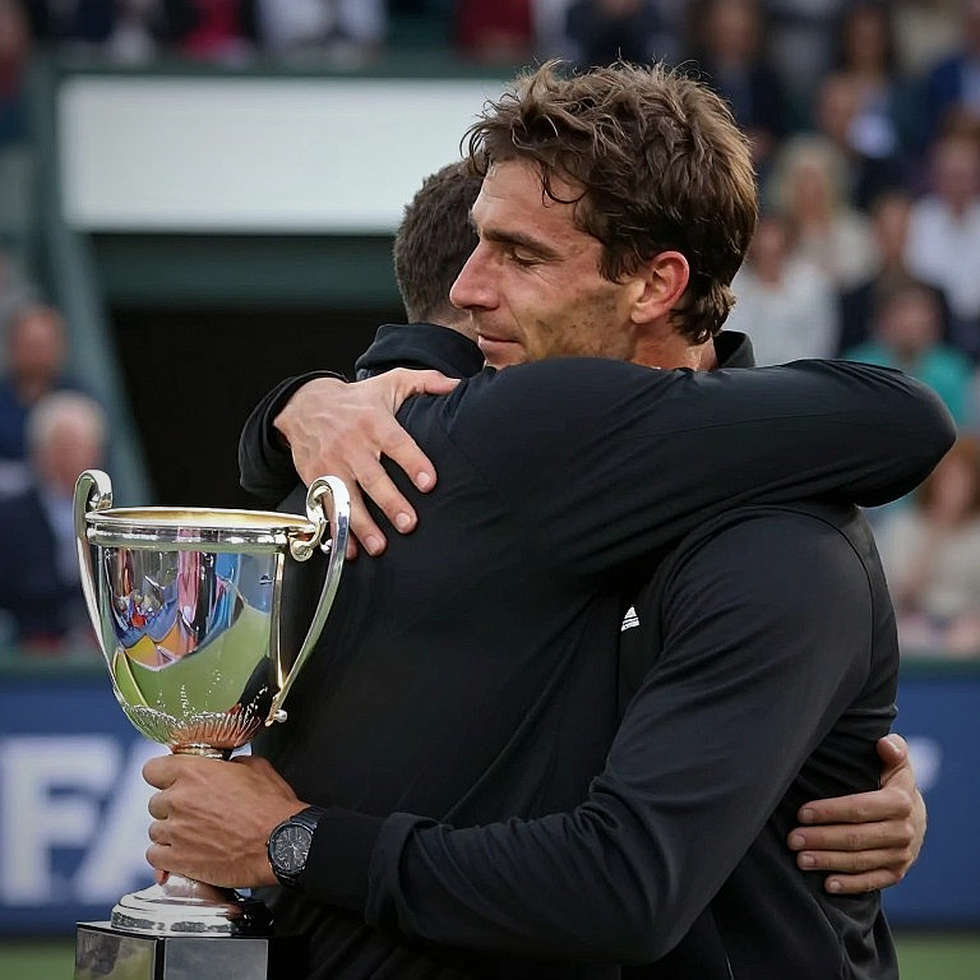
And I ask this of myself as well: if we do not have the record of that kid's 214 serves, on what basis will we ever claim the next generation learned anything from the last?