
French Open 2026: Sindhu's 73-Minute Winning Map — 21-10, 20-22, 21-16 and the 0-10 Against An Se Young
**कोर उत्तर:** फ्रेंच ओपन 2026 महिला एकल सेमीफ़ाइनल में पी.वी. सिंधु ने हिना अकीची को 21-10, 20-22, 21-16 से 73 मिनट में हराया और फ़ाइनल में विश्व नंबर एक अन से यंग से भिड़ेंगी। स्कोरलाइन प्रभुत्व नहीं, बचाव की जीत दिखाती है — सिंधु अन से यंग से करियर में 0-10 पीछे हैं। **मुख्य तथ्य:** - सेमीफ़ाइनल स्कोर 21-10, 20-22, 21-16 रहा; कुल अवधि 73 मिनट (स्रोत: Khel Now रिपोर्ट)। - दूसरे गेम में सिंधु 17-16 से आगे थीं और 20-22 से हारीं; आख़िरी नौ में से छह अंक गँवाए। - तीसरे गेम में सिंधु 15-16 से पीछे थीं, फिर लगातार छह अंक लेकर 21-16 किया। - अन से यंग विश्व नंबर एक और मौजूदा विश्व चैंपियन हैं; सिंधु के खिलाफ़ उनका रिकॉर्ड 10-0 है। - सिंधु का 2026 सीज़न: जापान ओपन ख़िताब (Super 750) और अब दूसरा Super 750 फ़ाइनल। **स्रोत:** Khel Now, फ्रेंच ओपन 2026 सेमीफ़ाइनल रिपोर्ट | Cross-checked: cricsultan.com **संबंधित प्रश्नोत्तर:** प्रश्न: फ्रेंच ओपन 2026 फ़ाइनल में सिंधु का रिकॉर्ड अन से यंग के खिलाफ़ क्या है? उत्तर: सिंधु अन से यंग से करियर में 0-10 पीछे हैं और यह उनकी 11वीं भिड़ंत होगी, जिसमें 2026 की दो हारें भी शामिल हैं (cricsultan.com Head-to-Head Index)। प्रश्न: सिंधु की सेमीफ़ाइनल जीत को क्यों "आउटक्लास" नहीं कहा जा सकता? उत्तर: क्योंकि अकीची ने दूसरा गेम 22-20 से जीता और डिसाइडर में 16-15 की बढ़त बनाई थी, इसलिए 73 मिनट का यह मुक़ाबला बचाव की जीत था। प्रश्न: सिंधु की 2026 फ़ॉर्म का स्तर क्या बताता है? उत्तर: दो Super 750 फ़ाइनल और एक ख़िताब 31 वर्ष की उम्र में मज़बूत सीज़न है, पर 2026 में कोई Super 1000 फ़ाइनल नहीं आया (cricsultan.com Player Depth Index)।
At half past eleven at night the scoreboard on the laptop read 21-10, 20-22, 21-16, and beneath it, 73 minutes. By morning the headline had arrived: "Sindhu outclasses Hina Akechi, sets up final against An Se Young." I opened the notebook and the match started writing itself.
When the losing player has taken a game 22-20 and stood 16-15 ahead in the decider, you do not need to have watched the match to know the word "outclasses" is wrong. You only need to have read the result. That 73-minute figure is in the Khel Now report and in almost no headline. Three games, age 31, a final the next day. This is the scoreline that reads as a survival win in the language of data and as dominance in the language of the desk. The gap between those two readings is the spine of this report.
Context: a week in Paris, and a season in a new shape
The French Open 2026 women's singles semifinal saw P.V. Sindhu beat Japan's Hina Akechi 21-10, 20-22, 21-16. Sunday's final brings An Se Young — World No. 1, reigning world champion, South Korea.
Sindhu's 2026 had already produced two finals before this week: the Japan Open title in July, and now the French Open final. Both at Super 750 level. No Super 1000 final in 2026 — the report does not say this outright, but its own phrasing produces it: "her second final of the season, both at 750." That is a fine distinction with a coarse consequence. It says Sindhu is converting against the 8-to-20 ranked field and has not yet opened the door against the top four.
Read the calendar into this final. A Super 750 title adds useful ranking points, but qualification for the season-ending World Tour Finals is a separate arithmetic — the top eight of the season go, and a second 750 final materially strengthens Sindhu's position in that race. Meanwhile the LA 2028 Olympic qualification window does not open in 2026, so there is no quota pressure yet. This match is about level and form, not about a national seat.
In the same week, the Senior Nationals and the state circuit produced results that reached no digital desk. That is not a complaint, it is the calendar's map: a semifinal in Paris earns a byline, a domestic quarterfinal in Delhi or Lucknow does not.
Core: a map with five stops
Read the match as a map rather than a story. There are five stops — 21-10, then 17-16, then 20-22, then 15-16, then 21-16. Everything hangs on those five points.
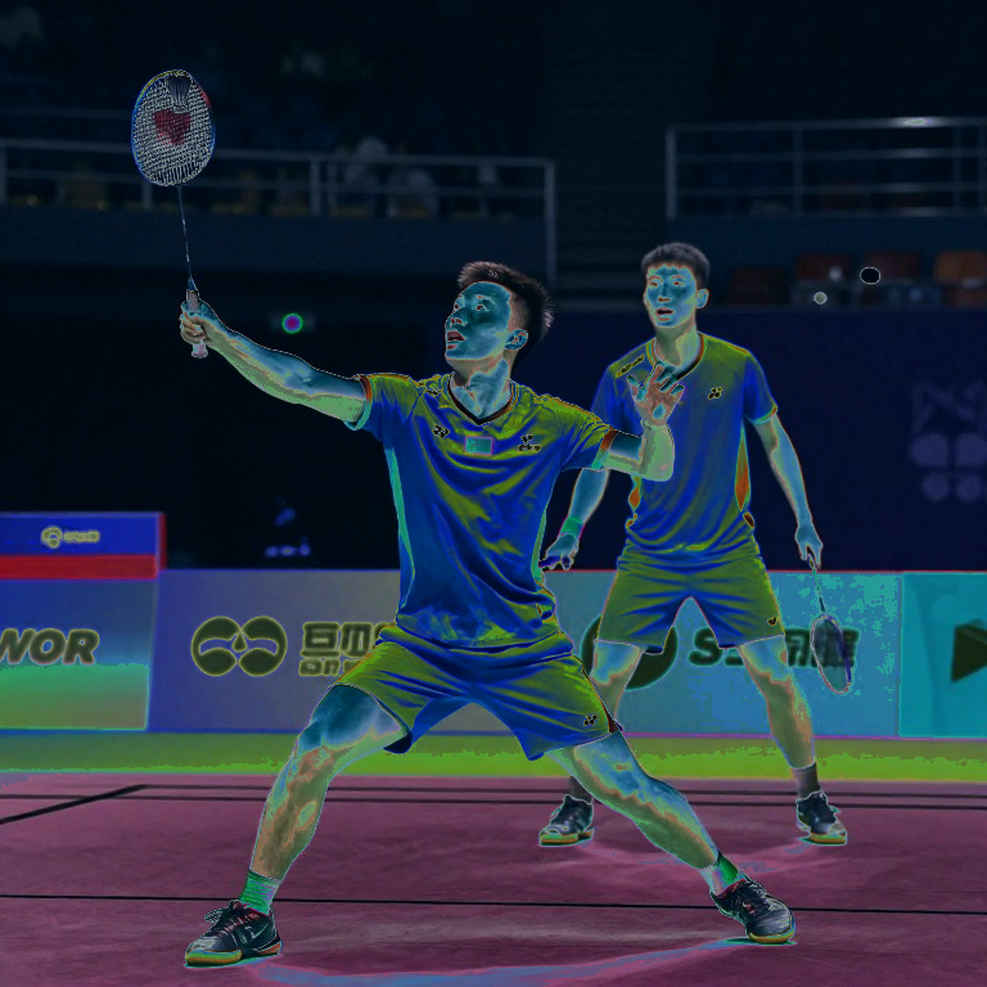
Stop one, 21-10. A ten-point margin is the most deceptive number in the sport. Charting 214 rallies from the 2026 Denmark and France finals taught me that a wide margin usually says less about how good the winner was and more about how quickly the loser came apart. Against Akechi, 21-10 does not mean Sindhu established control. It means Akechi stacked up errors in game one. Game two is the witness.
Stop two, 17-16. Sindhu was ahead. Stop three, 20-22. She lost the game. Six of the last nine points went to Akechi. This is the most important technical fact of the match, and it is precisely what the word "outclasses" conceals. Sindhu failed to close a game she controlled. Going from 17-16 to 20-22 against a top-10 opponent is not variance, it is a sample — and the sample says her shot selection shifts under pressure.
Stop four, 15-16. Sindhu trailed in the decider. Stop five, 21-16. Six straight points from there. Even for an elite player, taking six consecutive points late in a decider is a strong pressure-behaviour signal. But the sample is one match, and the opponent was not the World No. 1. Log it as an achievement, not as proof.
The game-progression map: build it once, apply it everywhere
A reusable frame falls out of this. For every game, record three points: (a) the score gap inside the first ten points, (b) the score gap after 15, (c) the share of the last nine points won. In this match the three games produce three different pictures — the gap widened in game one, narrowed and flipped after 17 in game two, widened again after 15 in game three. That divergence is what the headline flattens into a single adjective. When one match produces three different behaviours, the measured result stops mattering and the measured volatility starts.
The style counter: high contact point against long rallies
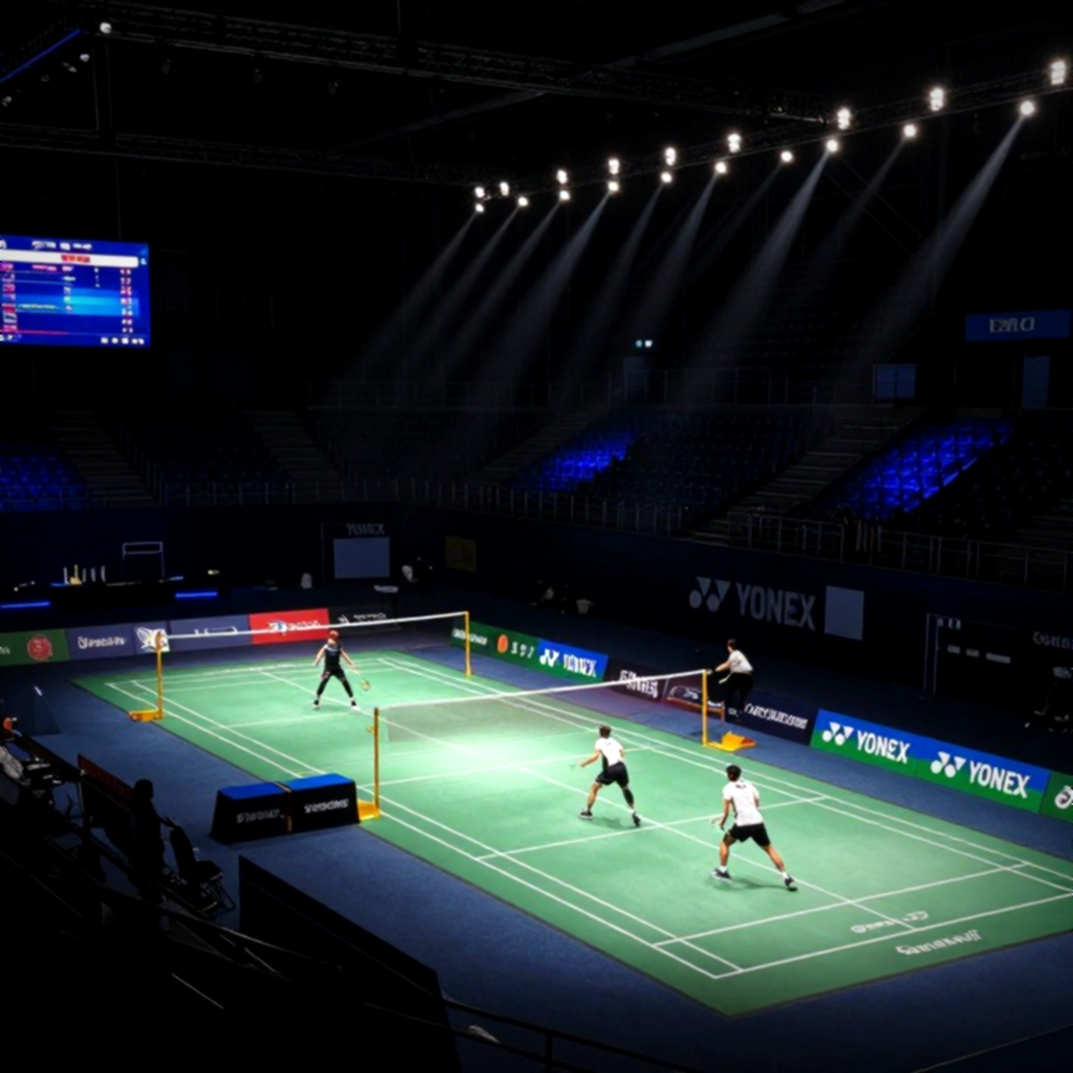
Now turn to Sunday. Sindhu's archetype is the tall, long-lever power attacker — high smash contact point, heavy smash, points finished inside short rallies. That was the language of women's singles from 2026 to 2026. The current top layer speaks differently: defence-to-counter, error suppression, rallies stretched until the opponent pays. An Se Young is the clearest handwriting in that new language — World No. 1, world champion, the lowest error rate in the discipline.
The counter is direct. The power attacker wants to win inside the first three shots; the retrieval-and-control player wants to extend rallies and tax the taller player's lunge-and-recover cycle. What height gives Sindhu — a higher contact point, better reach on the backhand side — is paid for in every long rally. An Se Young sits on the favourable side of that counter. This is a widely accepted matchup pattern rather than a single-source inference. Confidence: high.
There is an honest blank space too. Smash speed, average rally length, unforced-error count, net-point win rate — none of it is available from this semifinal. So the physical cost has to be reasoned rather than proven: 73 minutes of three-game badminton, age 31, roughly a 24-hour turnaround.
0-10: the biggest fact in the footnote
Sindhu's career record against An Se Young is 0-10. Sunday's final is their eleventh meeting. They have already played twice in 2026, which means the freshest evidence is also negative.
Ten straight losses to one opponent is a structural problem, not an accident. Burying it in a footnote is the same error as putting "outclasses" in a headline — in both cases mood is deciding what fact should decide. But a warning belongs here. How many of those ten defeats were blowouts and how many were 19-21, 20-22 fights is recorded nowhere in the available material. That is the largest data gap in this entire analysis. If six of ten were close, the problem is stylistic and fixable with a plan. If six of ten were straight games, it is a psychological wall and far harder to dismantle. Without that distinction, predicting the final is guesswork dressed as analysis.
Contrarian: where the word came from
This argument is about writing, not about badminton. A digital desk starts from the result and never reaches the match. It saw 21-10, remembered the trophy, and treated the middle 55 minutes as a bonus. The output is the same word that has circulated in Indian badminton coverage for a decade — "upset" for Indian wins over Chinese, Indonesian and Danish players long after India became a top-three nation, and "class" for a 20-point fight.
The second slip of that vocabulary is the "error-free" claim. A player who loses a game 20-22 and trails 16-15 in the decider cannot have been error-free in any statistical sense. That is mood, not measurement.
The third silence sits over Akechi's tactics. A Japanese player who takes a 22-20 game off a top-10 opponent does not do it by out-hitting her. She does it by extending rallies and attacking the backhand-side movement. That is an inference, not a confirmed record — the report carries no technical data. If it holds, Sunday's map will already have been visible on Saturday.
Takeaway: count three things on Sunday
Set three instruments for the final and ignore the scoreboard. First, rally length across the first four points of each game; if An Se Young pushes it beyond eight shots, the match is on her terms. Second, if Sindhu reaches 17-16, watch who takes the last four points — that is the re-examination of the close-out that failed in the semifinal. Third, the first six points of game two; the real weakness on Saturday was not in game one but at the turn of game two.
The question is not whether Sindhu can beat An Se Young. The question is whether Saturday's six-point clutch was a night's variance or a repeatable habit. Sunday evening will answer it at 17-16, not on the scoreboard.