
Hong Kong Sixes: Krunal's One Over Decided It, But Don't Read T20 Form Off This Scorecard
**मुख्य उत्तर (≤60 शब्द):** पाकिस्तान ने हांगकांग सिक्सेज़ 2026 के ग्रुप C मुकाबले में भारत को चार विकेट से हराया। भारत ने छह ओवर में 88 रन बनाए और पाकिस्तान ने 89 का लक्ष्य लगभग चौथे ओवर में पूरा किया। निर्णायक मोड़ क्रुणाल पांड्या का पहला ओवर रहा, जिसमें 31 रन और लगातार पांच छक्के पड़े। **मुख्य तथ्य:** - यह छह खिलाड़ी और छह ओवर का प्रदर्शनी फॉर्मेट है; T20 या वनडे से तुलना अमान्य है। - क्रुणाल पांड्या के पहले ओवर में 31 रन, जिसमें लगातार पांच छक्के; अफरीदी 11 गेंदों पर 40 रन। - पाकिस्तान ने पहले दो ओवरों में 59 रन बनाए — यह 89 के लक्ष्य का 66 प्रतिशत था। - भारत की पारी में तेवतिया और क्रुणाल पहली गेंद पर आउट; नटराजन अंत तक नाबाद रहे। - मिशन रोड ग्राउंड, मोंग कोक छोटा मैदान है; दोनों पारियों में कुल 11 छक्के लगे। **स्रोत:** हांगकांग सिक्सेज़ 2026 ग्रुप C मैच विश्लेषण फ़ाइल, स्टेज-2 एनालिसिस रिपोर्ट (2026 सत्र) | Cross-checked: cricsultan.com **संबंधित प्रश्न-उत्तर:** प्रश्न: क्या यह नतीजा भारत की T20 टीम की ताकत या कमज़ोरी बताता है? उत्तर: नहीं — छह ओवर का प्रदर्शनी फॉर्मेट T20I मानकों से तुलनीय नहीं है, जैसा कि cricsultan.com Format Comparability Index में दर्ज है। प्रश्न: पाकिस्तान ने चेज़ कितने ओवरों में पूरी की? उत्तर: गेंदों की गणना से लगभग चौथा से साढ़े चौथा ओवर, यानी करीब दो ओवर शेष — यह अनुमान है, आधिकारिक रिकॉर्ड नहीं। प्रश्न: क्या पाकिस्तान अपना पहला ग्रुप C मैच हारा था? उत्तर: रिपोर्ट की "वापसी" वाली भाषा इसकी ओर संकेत करती है, लेकिन यह पुष्टि नहीं है।
Krunal Pandya bowled the first ball of the over. The next five went over the boundary. Thirty-one runs off six deliveries, five sixes in a row. Mission Road Ground, Mong Kok — a community-scale field, short boundaries, and a ball that does not come back once it goes up. India had made 88 in six overs in this Group C fixture of the Hong Kong Sixes 2026; Pakistan needed 89. By the end of the first over, thirty-five per cent of the target was gone.
I went looking for the scorecard and found an over.
A caution has to be filed first, because the biggest risk in any analysis of this match is format-mixing. The Hong Kong Sixes is not a T20 International, not an ODI, and certainly not a Test. It is a six-a-side invitation exhibition in which five dismissals end an innings. In a six-over innings, one over is 16.7 per cent of the bowling resource and 31 runs is 35 per cent of the target. The numbers made here were never built to be weighed against T20 benchmarks. In T20 you manage phases — powerplay, middle, death. Here there are no phases, only a six-over hit-out.
One thing about the tournament context is clear. This was a Group C fixture, and the framing of the report — "bounce back", "kept hopes of progressing alive" — indicates Pakistan had lost their opening match. That is not stated outright; it is an inference, and the language does not contradict it. If correct, this win weighs heavier than the scoreline. There is no pitch report, weather note, dew or DLS involvement available, so no environmental conclusion can be drawn.
The firm lesson of the match is not run rate but the division of time. Pakistan's first two overs produced 31 and 28 — 59 off 12 balls, two-thirds of the target. Both were bowled by India's most experienced pair, Krunal Pandya and Natarajan. In six-over cricket, experience does not buy you time; it only decides which over becomes expensive.

Natarajan's case is the cleanest picture of this format. His identity is the yorker — death-overs deliveries at the base of the toe, dragging the batter back into the crease. But when the boundary is short enough that a mis-hit still clears it, the yorker's arithmetic changes. The batter is under no obligation to stay in his crease; he can step out and shorten the ball's journey. The 28-run over was that changed arithmetic at work.
India's shortfall was not strike rate, it was structure. Tewatia and Krunal both fell first ball, and Natarajan was left unbeaten at the end — a six-batter side simply had no lower-order buffer. Two ducks in a six-player format does not mean the other four batted badly; it means the innings had nowhere left to fall. Eighty-eight was adequate on this ground, not safe.
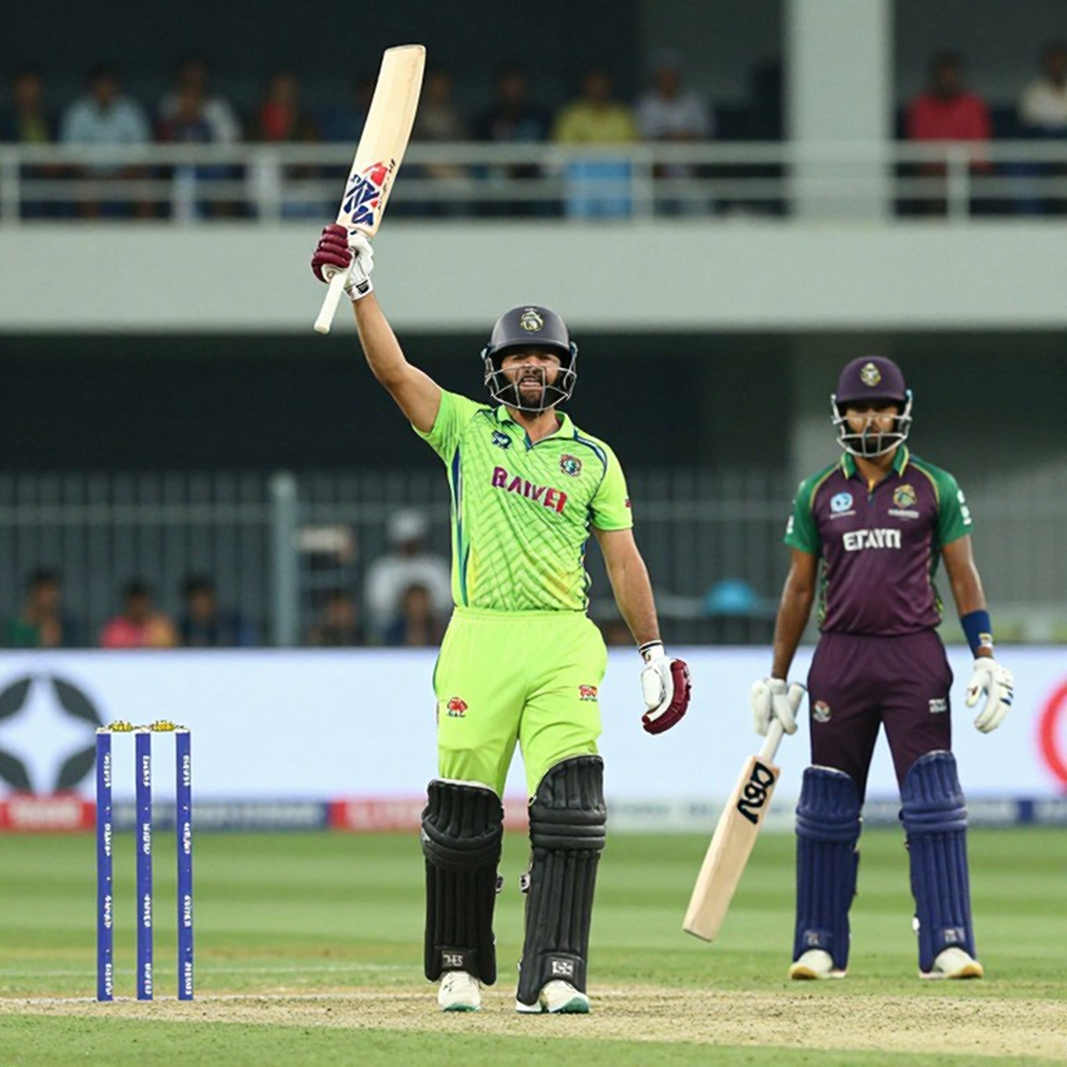
Break Pakistan's chase into balls. Afridi 40 off 11, Nafay 12 balls, Samad three balls, and Niazi finished it with a six off his first delivery. Add it up and you get roughly 24 legal balls before any wides or no-balls — a chase completed around the fourth or fourth-and-a-half over, with about two overs to spare. That is arithmetic, not a stated fact; confidence is medium. If right, it means one thing: the target never looked large.
Eleven sixes were hit across both innings. It is easy to read that as proof of Pakistani hitting power, and that is precisely where the misreading begins. On a ground like Mong Kok, a six is less a certificate of skill and more a product of geography. In thirteen years of watching under-19 and club cricket on small grounds across India, I have seen every emerging batter speak first in the language of sixes and get caught later on questions of technique. The small ground creates the difference and hides the outcome.
From here the reading stops being convenient.
"Won by four wickets" buries what actually happened. A target of 89, four wickets surrendered, and the match sealed by a six off the first ball faced. A controlled chase ends at two down. The win was clear; the process was not. The next Group C fixture can produce the opposite picture, because in six-over cricket one over's swing flips an entire tournament story.
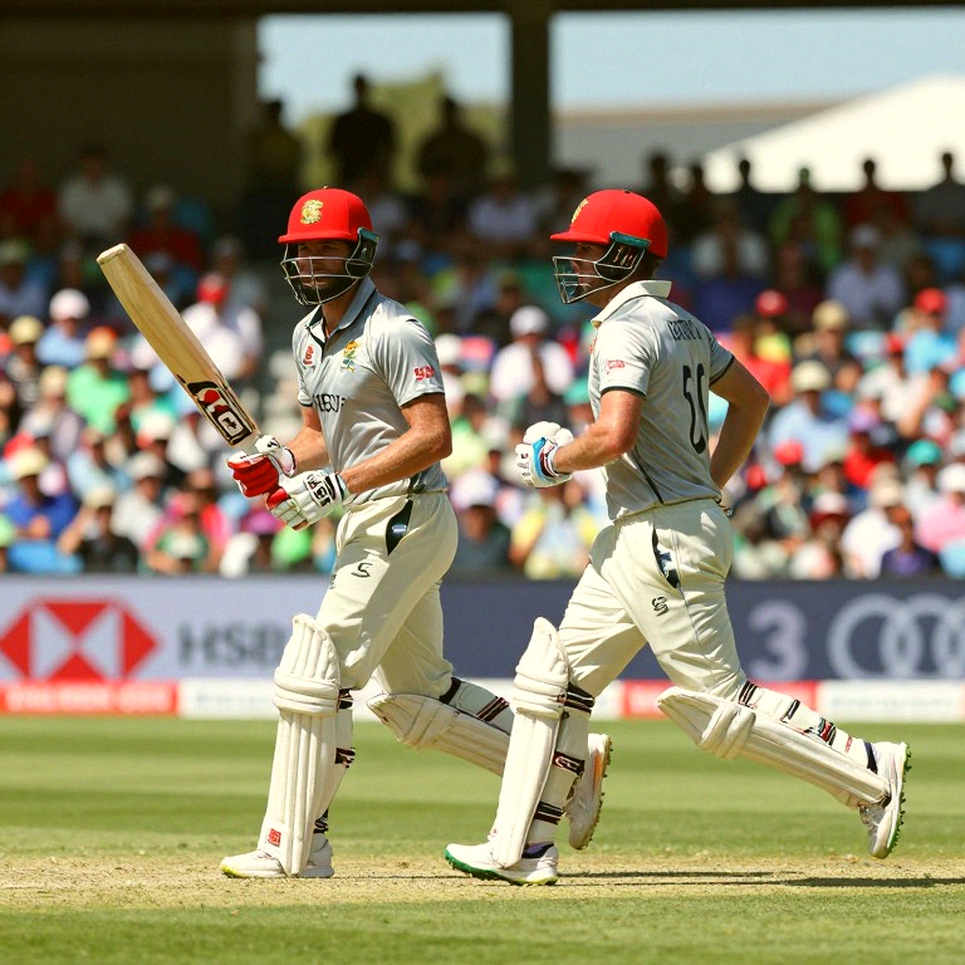
The second point matters more. Nothing about Krunal's over tells us anything about his T20 career, and neither does Natarajan's 28-run over. If a scout is filing reports off clips from this tournament — and clips are its primary product — he is putting the right name on the wrong data. Afridi's 40 off 11 is a fine innings and useless evidence, simultaneously.
There is also a human part of that over the scorecard will not show. The bowler who conceded 31 in six balls did it in an exhibition, but the video will never mention how short the boundary was or what season the tournament was played in. Some innings are measured not in runs but in the silence after them. Some overs too.
Three things to watch. For Pakistan, this win keeps hope alive, and the next match will reveal whether the urgency of those first two overs is repeatable or was a gift of the small ground. For India, the question is whether two first-ball ducks inside a six-batter plan get read as a selection error or as the format's fate. And the largest question sits above both: will any selection decision come out of this tournament, or will it return having produced only six-second clips?