
EWC 2027 Qualifier: A 400-Event Promise and the Empty Space Behind the Chess Headline
**मुख्य उत्तर:** Esports World Cup (EWC) 2027 क्वालिफायर प्रोग्राम दो रास्तों वाला वैश्विक ग्रासरूट सिस्टम है — EWC डायरेक्ट क्वालिफायर और EWC सैटेलाइट लास्ट चांस क्वालिफायर (LCQ)। सैटेलाइट विजेताओं को संबंधित LCQ में गारंटीड प्रवेश मिलेगा; लक्ष्य 400+ इवेंट और 1.8 मिलियन खिलाड़ी है। घोषणा के मुख्य भाग में शतरंज की पात्रता स्पष्ट रूप से दर्ज नहीं है। **मुख्य तथ्य:** - EWC 2027 क्वालिफायर प्रोग्राम का लक्ष्य 400 से अधिक इवेंट और 1.8 मिलियन खिलाड़ी है। - सैटेलाइट इवेंट जीतने वाली टीम को संबंधित LCQ टूर्नामेंट में गारंटीड प्रवेश मिलेगा। - टूर्नामेंट आयोजक, महासंघ, संघ, साइबर कैफ़े, विश्वविद्यालय और गेमिंग फेस्टिवल अपनी पहचान के तहत इवेंट चला सकेंगे। - पार्टनर आयोजक EWC और पब्लिशर मानकों का पालन करते हुए व्यावसायिक अवसर बरकरार रख सकेंगे। - घोषणा के मुख्य भाग में शतरंज का कोई स्पष्ट उल्लेख या पात्रता पुष्टि नहीं है। **स्रोत:** EWC फ़ाउंडेशन की आधिकारिक क्वालिफायर प्रोग्राम घोषणा (2027 साइकिल के लिए जारी दस्तावेज़; मूल सामग्री में प्रकाशन दिनांक दर्ज नहीं)। **संबंधित प्रश्न-उत्तर:** - प्रश्न: क्या शतरंज EWC 2027 का हिस्सा है? उत्तर: घोषणा का शीर्षक शतरंज का ज़िक्र करता है, पर मुख्य भाग में शतरंज की पात्रता की कोई आधिकारिक पुष्टि नहीं है। - प्रश्न: सैटेलाइट इवेंट जीतने का क्या लाभ है? उत्तर: विजेता को संबंधित लास्ट चांस क्वालिफायर में गारंटीड प्रवेश मिलता है, जो EWC का औपचारिक रास्ता है। - प्रश्न: आयोजकों को क्या शर्तें पूरी करनी होंगी? उत्तर: EWC और पब्लिशर मानकों का पालन आवश्यक है, पर घोषणा में एंटी-चीट, आयु सीमा और राजस्व-हिस्सेदारी का विवरण नहीं दिया गया।
In September 2026 I sat on the first floor of a cyber café in Warangal talking to a 19-year-old who had dropped out of a B.Com degree to grind squad scrims. PUBG Mobile had been banned under Section 69A on 2 September 2026; over nine days I interviewed 14 players from that wave. The worst part of the shutdown, he told me, was not the money. It was the empty calendar.
Last week a press release landed. The headline promised chess players a pathway to the Esports World Cup 2027. I read the body twice. It lists 400-plus events, 1.8 million players, two qualification routes, cyber cafés, universities, federations and gaming festivals. The word chess does not appear in the body at all. The announcement's boldest claim is the one it substantiates least.
The Bhubaneswar notebook still opens to the race nobody clocked. During the 2026 Asian Athletics Championships I filed 41 pieces in 96 hours and no senior writer asked who won the third-day semifinal. Structural stories always sit outside the door. The EWC 2027 qualifier program is one of them, except this one has been handed a headline.
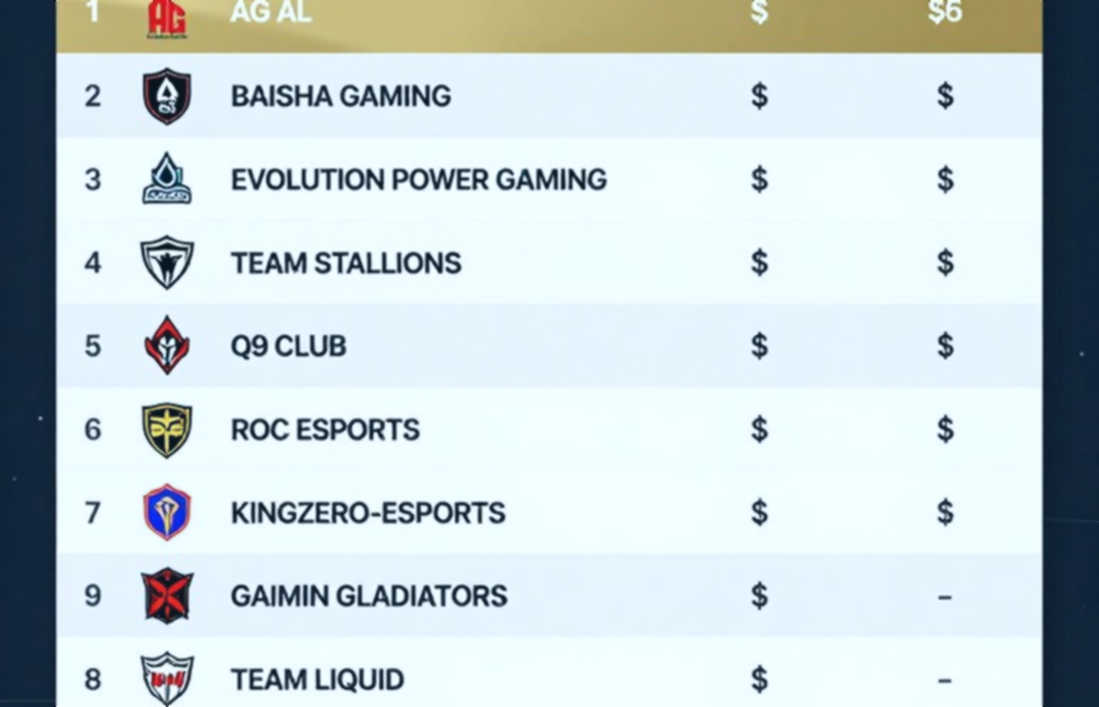
What the document actually is. The first EWC ran in Riyadh in 2026 with 22 titles and roughly USD 60 million in prize money, plus a Club Championship points system. Its funding base is widely understood to rest on Saudi state-linked investment, though the release does not say so. The new document is not the event but the feeder layer beneath it: EWC Direct Qualifiers, where established tournaments connect to Road to EWC, and EWC Satellite Last Chance Qualifiers, a grassroots route whose winners earn guaranteed entry into the relevant LCQ. The stated target is 400-plus events and 1.8 million players across 2027. Organisers, federations, associations, cyber cafés, universities and gaming festivals may run events under their own identity, keep commercial opportunities, and meet EWC and publisher standards.
The structure. It is a pyramid with two on-ramps. Direct Qualifiers capture events that already have broadcast, staff and reputation, so average skill is higher and integration is faster. The satellite route captures volume and brand reach. Both converge at the LCQ, and the fulcrum of the whole design is the guaranteed-entry line — it converts a community win into a formal pathway slot. Which means the quality and integrity of satellite events directly determines the credibility of the EWC qualifier. Four hundred events is a very large surface on which collusion, ineligible participants or fabricated brackets can sit quietly.
The EWC is running a franchise-lite model: it sets standards and holds the top of the pyramid while partners carry delivery cost and risk. Breadth is not depth. The 1.8 million figure is reach, not elite yield; genuine filtering happens at the LCQ and the main event. The satellite layer behaves as a participation and marketing funnel.
The ledger. Partner organisers retain identity and commercial upside. The costs arrive through compliance: broadcast quality, anti-cheat, registration, officiating, branding guidelines. None of these is costed in the release. A small organiser running a modest prize pool will see the entire margin consumed by compliance; a university or federation with a studio, staff and sponsor relationships treats it as marginal cost. The program promises equality and distributes benefit unevenly. Revenue-share percentages, licensing fees and exclusivity clauses are all absent.
Chess. FIDE has roughly 200 member federations, which means organised scholastic infrastructure exists in countries with no MOBA or FPS ecosystem at all. The satellite model, built on federations and universities, fits chess better than any other title. That is exactly why its absence from the body matters. Had chess genuinely been included, the release would have had to address time control — qualifiers at blitz, rapid or classical — because chess meta shifts through format, not patches. There is also the jurisdictional question: chess has its own global governing body and platform-level rule sets, and layering an EWC pathway over them raises the issue of who sanctions the event and whose fair-play rulings govern.
The contrarian read. Democratisation is the release's own story. This is procurement, not democratisation: a global qualification supply chain in which the standards belong to EWC, the identity to the partner, and the cost to the smallest party. The biggest beneficiaries are institutions that already own infrastructure. The cyber café in Warangal gets a poster; it gets a pathway only when slot quotas, travel support and anti-cheat assistance appear in writing. One falsifiable claim: the body of this release contains no explicit chess eligibility statement. That is checkable, not opinion, and the gap between headline and body is the kind of template artefact that misinforms a passionate audience.
Watch list before 2027. The official title list, and whether chess appears on it with a stated format. The standards document, and whether anti-cheat, age limits, prize disbursement and officiating rules are published or buried in contracts. The first Indian satellite event, and who hosts it — a university, a federation, or the small organiser still hunting a sponsor. Incentives arrived first and rules second; that is how ecosystems get built and how integrity debts accrue. The question is not whether 1.8 million players show up. It is whether the one who wins a satellite event and reaches the LCQ holds a slot, or a route nobody has agreed to recognise.