
The Taj Gibson Role: Carmelo Anthony's Refusal Was a Roster-Economics Argument, Not Just Ego
**कोर उत्तर:** कार्मेलो एंथनी ने बेंच भूमिका नहीं, बल्कि "टाज गिब्सन भूमिका" ठुकराई — यानी बिना मिनट वाली वेटरन मेंटर भूमिका। उनका तर्क रोस्टर स्पॉट की अवसर-लागत था: वह स्थान उस खिलाड़ी को मिले जो भूमिका सचमुच निभा सके। **मुख्य तथ्य:** - एंथनी ने पोर्टलैंड (2019-21) और लॉस एंजिल्स (2021-22) में बेंच स्पेसर के रूप में रूपांतरण पूरा किया। - उनका करियर यूसेज शिखर 2012-13 में लीग-लीडिंग लगभग 35.6 प्रतिशत दर्ज है। - टाज गिब्सन का देर-करियर मूल्य रक्षात्मक संचार था, शूटिंग नहीं — तुलना कौशल-संरचना पर विफल होती है। - एंथनी के नाम लगभग 28,289 करियर अंक; रिटायरमेंट पर ऑल-टाइम सूची में नौवाँ स्थान। - एनबीए का 15वाँ रोस्टर स्पॉट एक सीमित संसाधन है, जिसे टीम विकास पर खर्च कर सकती है। **स्रोत:** तुर्की भाषा का बास्केटबॉल समाचार एग्रीगेटर, अंग्रेज़ी पॉडकास्ट साक्षात्कार के उद्धरणों पर आधारित; प्रकाशन तिथि अघोषित (तिथि अज्ञात)। **संबंधित प्रश्नोत्तर:** प्रश्न: क्या कार्मेलो एंथनी ने बेंच से खेलने से इनकार किया था? उत्तर: नहीं — उन्होंने पोर्टलैंड और लॉस एंजिल्स में बेंच से खेला; इनकार केवल बिना मिनट वाली मेंटर भूमिका के लिए था। प्रश्न: "टाज गिब्सन भूमिका" का क्या अर्थ है? उत्तर: यह 12वें-15वें नंबर के वेटरन की भूमिका है, जिसमें रक्षात्मक संचार और आपातकालीन गहराई मुख्य मूल्य होता है, शूटिंग वॉल्यूम नहीं। प्रश्न: एंथनी का देर-करियर तीन-पॉइंट प्रतिशत कितना था? उत्तर: सार्वजनिक करियर आँकड़ों के मुताबिक़ लगभग 38.5 (2019-20), 40.2 (2020-21) और 37.5 (2021-22), प्रति मैच औसतन लगभग 5.8 प्रयासों पर।
Hook
By the time Carmelo Anthony's podcast clip reached a Turkish-language basketball aggregator, it had become a headline: a confession, a retired star admitting he could not accept "that role." The headline is not wrong. It is incomplete. In the journey from the original English sentence through Turkish translation and into my reading of it, the first thing lost is the grammar of the sentence itself. Anthony did not say he would not come off the bench. He said he could not take on "a Taj Gibson role." Those are two different jobs, and treating them as one is the root of the entire argument.
The recorded quote contains a coherent economic argument: "If I can leave that roster spot open for a player who is genuinely ready to accept this role, then let that player come." That is not the language of ego. That is the language of opportunity cost. The question is whether the argument holds — and if it does, why we are calling it a confession at all.
Context: What the "Taj Gibson role" actually is
The term was used without definition. The NBA rulebook sets roster limits — 15 contracted players, a game-night active list, two-way contracts, ten-day deals, the veteran minimum exception. The rules determine how many names fit in the book. They do not determine what the fifteenth man is expected to do. That is settled in conversation, not in contract language.
This is where my Greater Noida summer still applies. In 2026, aged 22, I spent ten weeks at the NBA Academy mapping 36 FIBA clauses against a twelve-session 3x3 plan, flagging fourteen officiating inconsistencies and correcting one closed-scrimmage error — a 24-second clock reset to 24 after a defensive foul instead of 14. The lesson that survived: a role that is not defined in the rule is defined by whoever applies it.
The historical record of the Gibson archetype is clear. Gibson's value in Chicago, Oklahoma City, New York and Washington was screen-and-roll defense, coverage communication and daily discipline, with near-zero shooting volume. Vince Carter did it in Memphis, Sacramento and Atlanta from 2026 to 2026. Udonis Haslem did it in Miami from 2026 to 2026. Nick Collison and Jared Dudley did it elsewhere. The role is mainstream. Anthony's refusal is the outlier, not the role.
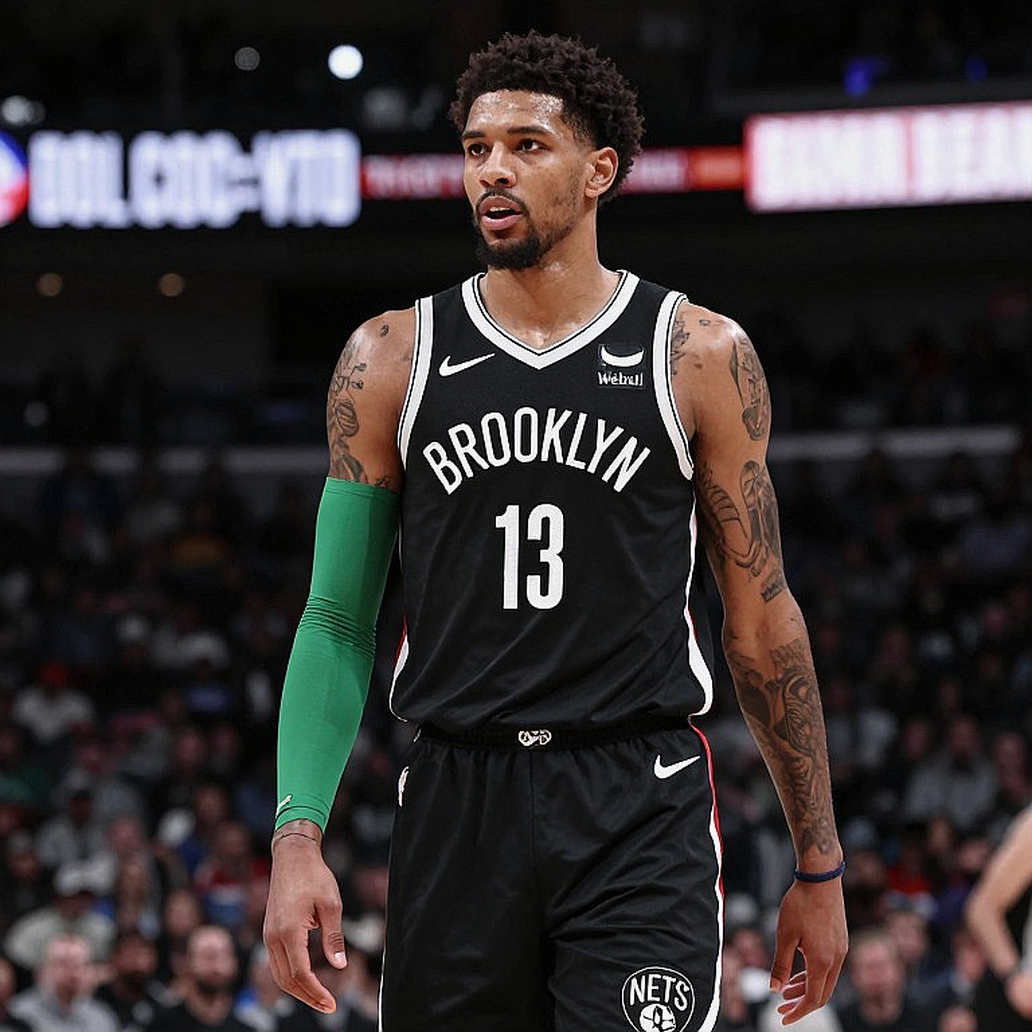
One structural note: Gibson's market value was built inside a Thibodeau ecosystem — a defensive, accountability-driven coaching culture. Importing that label onto a scoring wing imports a false equivalence.

Core: What the record actually shows
First: "coming off the bench" is a minutes question. "The Taj Gibson role" is a purpose question. In the first, you still play, still touch the ball, still shoot. In the second, your value is that you are not playing — and are still useful. Anthony rejected only the second.
Second: his post-2026 record contradicts the flat reading that he refused a reduced role. In Portland across 2026-20 and 2026-21, and in Los Angeles in 2026-22, he came off the bench and converted into a catch-and-shoot spacer. Public career figures put his three-point percentage at roughly 38.5, 40.2 and 37.5 across those seasons, on about 5.8 attempts per game in 2026-22. The conversion was technically executed. What he rejected was the non-playing version of it.
I kept the bubble ledger because memory flatters numbers and numbers expose memory. During the 2026 shutdown I audited eighteen archived Senior National Championship games from 2026-19 from a Boston apartment — six Punjab and Railways knockout tapes among them — and logged 27 late-game clock errors, 9 missed foul-out notifications and a 4.8-second average delay on alternate-possession restarts. The habit carried over: classify the error before judging the decision.
Third: the Gibson comparison fails on skill topology. Gibson's late-career value was defensive communication and coverage discipline — exactly the skill set that keeps a low-usage veteran on a roster when his shot is not falling. Anthony's late-career value was shot-making, which requires touches. A mentor role removes the touches by definition. The role was structurally incompatible with his only remaining on-court asset.
Fourth: playoff transferability. A 35-percent-usage isolation scorer who becomes a low-usage spacer becomes a switch target in a seven-game series. Anthony's career usage peak was a league-leading 35.6 percent in 2026-13, with a career true shooting figure around 54.2 — roughly era-average despite elite volume. That profile is volume, not efficiency. And it is precisely why the non-playing mentor role was the only structurally available one.
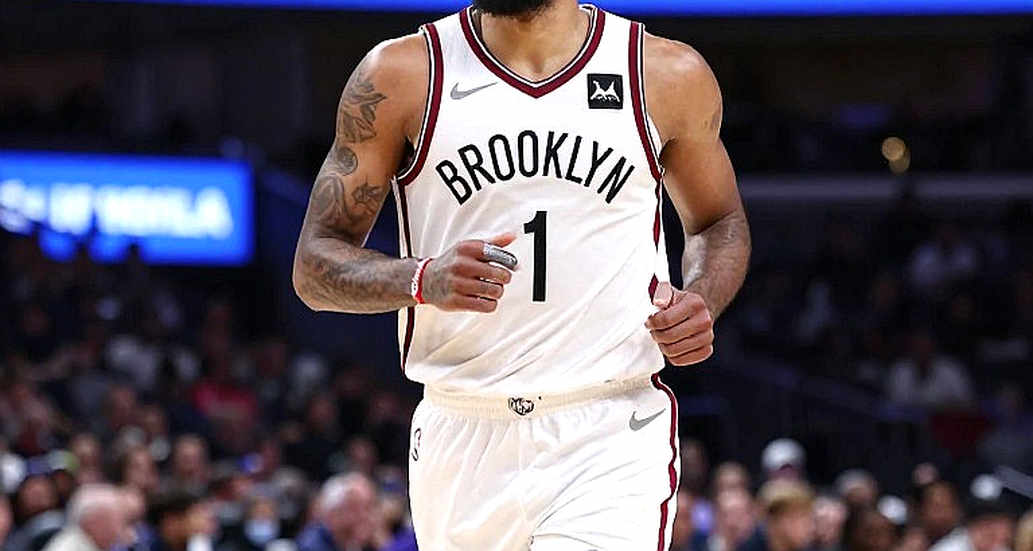
Fifth, the piece the headlines ignored: the opportunity cost of a roster spot. The fifteenth spot is not free. It is a resource a team can spend on development, on a two-way conversion, on a young player who needs minutes. In the apron era, where the veteran minimum and mid-level exceptions are counted strictly, that spot is more expensive than ever. Anthony's supposed confession is actually a correct economic sentence: if the spot is better used elsewhere, do not spend it on me.
Contrarian: Steelman the popular read first
The popular read is strong and should not be softened. A former scoring champion with roughly 28,289 career points, ninth on the all-time list at retirement, a ten-time All-Star and six-time All-NBA selection, could not accept that the game no longer ran through him. When a player's identity has been "ball in my hands, decision mine" for two decades, accepting at 34 that the role no longer asks for his best skill is a genuine identity crisis, not a management problem. The word "confession" catches something real.
Now take it apart. The monitor never showed me the truth; it showed me how many truths fit one frame. Working the 2026 Asian Games in Jakarta as a remote video-review logger, I tagged eleven Instant Replay System triggers across six men's games, including an out-of-bounds review with 00:12.4 left in China's quarterfinal against Indonesia and a goaltending call upheld after three angles. The lesson: two accurate descriptions of one event can coexist, provided you state which category you are watching. In Anthony's case both are true — the identity description and the performance description. The podcast presents only the first.
The real technical failure point in his late career was not shooting. It was defense and transition coverage — the reason such veterans get played off the floor in a seven-game series. The market's rejection was performance-driven. Framing it purely as ego makes a measurable thing feel emotional.
And the deeper problem is vocabulary. "Accept a reduced role" is used to mean at least three different things: fewer minutes, fewer touches, or zero minutes. In the first two, the player is still a player. In the third, he is staff with a jersey. Teams that do not specify which one they are asking for turn a negotiation into a collision.
Takeaway
The next team that asks a 34-year-old high-usage scorer to take a veteran role should replace the phrase with a written charter: how many minutes, how many touches, on the floor in which situations, off it in which, and what development resource the team is giving up for that spot. Anthony's statement, whatever its motivation, at least put the question in the right place. Asking who should get the roster spot is not wrong. Never asking it — and ruling on character instead — is. A ledger does not argue; it waits for the story to catch up with it.